

Genetic scissors and blood tests: A new model for lung cancer research
Small-cell lung cancer is one of the most aggressive forms of cancer. Tissue samples are rare, making realistic mouse models indispensable. Researchers led by Thorsten Stiewe at Philipps University of Marburg have developed a model in which CRISPR gene-editing technology switches off individual genes directly in the lung, thereby generating tumours. A fluorescent signal in the blood makes them detectable: just a few drops are enough to track their growth – month after month, without the burden of anaesthesia. Gene by gene, it becomes clear which natural brakes must fail and where new therapies can be targeted. The Wilhelm Sander Foundation funded the project with €154,280.

Artificial Intelligence assesses tumours from every angle
Whether a tumour is particularly aggressive often determines the correct treatment – until now, this could usually only be determined by means of an invasive tissue sample. A research team led by Prof. Dr Jan Peeken and Johannes Kiechle at the University Medical Centre of the Technical University of Munich (TUM) has now developed an AI method designed to answer this question directly using CT and MRI scans. The Wilhelm Sander Foundation funded the project with around 181,000 euros. The results have now been published in the journal *Medical Image Analysis*.
The Wilhelm Sander Foundation is funding six new cancer research projects with over one million euros
In the second quarter of 2026, the Wilhelm Sander Foundation approved funding for six research projects totalling 1,020,184 euros. These range from the molecular regulation of treatment resistance, through the classification of rare TP53 variants, to new immunotherapies for breast, liver and lung cancer. Funding is being provided for projects that fundamentally elucidate the mechanisms of tumour development and derive therapeutic approaches from them.
New radio-hybrid approach combines PET and SPECT for more precisely targeted prostate cancer treatment
Prostate cancer is one of the most common cancers among men worldwide. However, in the case of advanced, metastatic tumours, there is often a lack of precise tools for planning individualised radiotherapy treatments. A research team led by Dr Constantin Mamat from the Institute for Radiopharmaceutical Cancer Research at the Helmholtz Centre Dresden-Rossendorf (HZDR) has now tested a novel diagnostic approach that combines two imaging techniques and could pave the way for highly personalised radiotherapy. The Wilhelm Sander Foundation funded the study with 166,000 euros. The results were published in the *Journal of Medicinal Chemistry*.
An interdisciplinary focus: the 75th Lindau Nobel Laureate Meeting
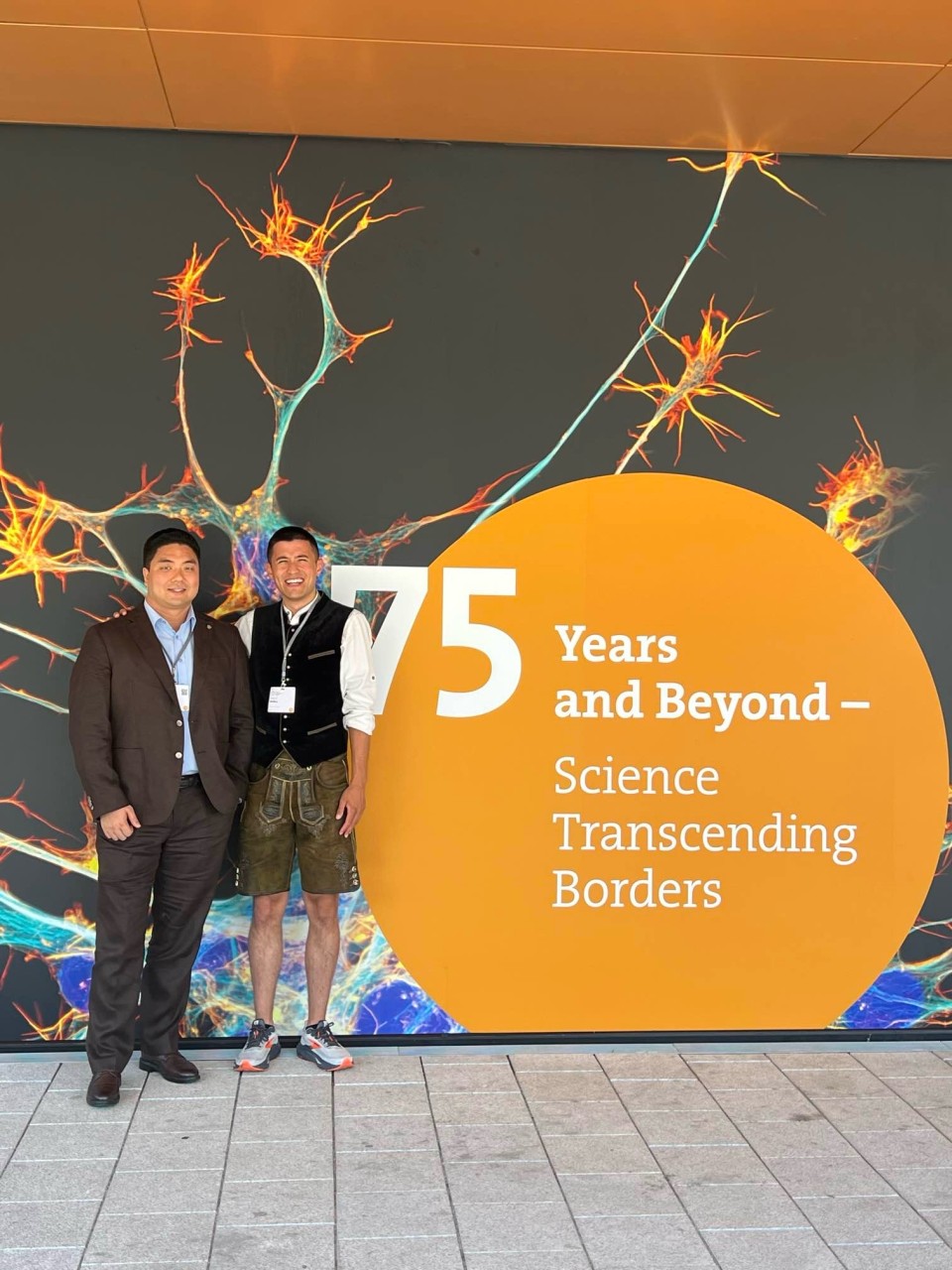
For over seven decades, the Lindau Nobel Laureate Meetings have been bringing together Nobel laureates and early-career researchers from all over the world. The focus is on direct, personal exchange: young researchers are given the opportunity to engage in conversation with leading figures in their field, to network internationally and to gain fresh inspiration for their own research.
The 75th Lindau Nobel Laureate Meetings took place in Lindau from 28 June to 3 July 2026. Unlike in previous years, this anniversary event was deliberately not limited to a single discipline but focused on interdisciplinarity: around 75 Nobel laureates and several hundred early-career researchers came together to work collaboratively on current scientific questions across disciplinary boundaries.
This year, two early-career researchers supported by the Wilhelm Sander Foundation were also able to take part in the meeting: Philipp Jie Müller and Seungbin Han. We warmly congratulate them both and look forward to supporting them on their future scientific journeys.
Further information on the 75th Lindau Nobel Laureate Meeting can be found on the Lindau Nobel Laureate Meetings website
50 Jahre Stiftungsarbeit: „Wilhelm“ erscheint zur Jubiläumsausgabe
Die Wilhelm Sander-Stiftung bringt mit WILHELM ein eigenes Magazin heraus, das künftig einmal jährlich erscheint. Den Auftakt macht die Jubiläumsausgabe zum 50-jährigen Bestehen der Stiftung.
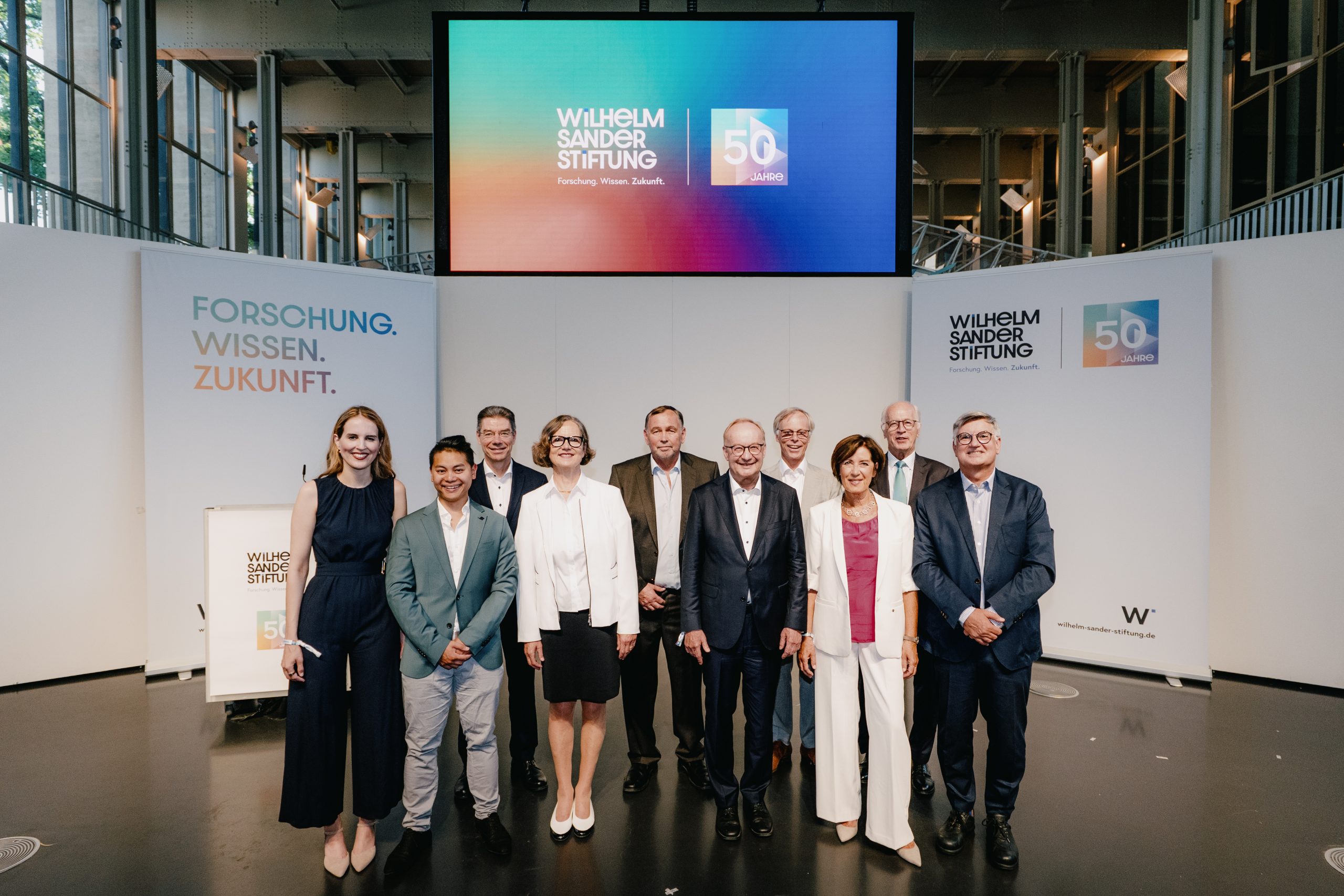
50 Years of the Wilhelm Sander Foundation
On 19 June 2026, we celebrated a special anniversary in the auditorium of the Deutsches Museum in Munich: 50 years of the Wilhelm Sander Foundation.
What emerged in 1975 from the estate of the Franconian entrepreneur Wilhelm Sander has set new standards ever since. The Foundation has provided around 350 million euros for 2,700 research projects – with a clear focus on cutting-edge medical research, particularly in the field of cancer research in Germany and Switzerland. The fundamental entrepreneurial principle of taking risks before the outcome is certain remains the cornerstone of the Foundation’s work to this day.
The ceremony offered more than just a retrospective. The keynote address by Prof. Dr Hermann Einsele set the tone, shedding light on current developments in cancer therapy and presenting new research approaches. Science slams and an interdisciplinary panel discussion facilitated dialogue between the scientific community, private research funding bodies and the general public – raising questions that extend beyond the evening itself: What role will private foundations play in the future? What framework conditions are needed for independent research? How can scientific freedom be safeguarded in the long term?
Just in time for the anniversary, the Foundation also launched its new magazine, WILHELM – featuring exciting projects, personal perspectives and scientific milestones from five decades of the Foundation’s work.
A heartfelt thank you goes to all the guests, speakers and colleagues who made this evening so special. Your passion for science is what drives us – today and for the next 50 years.
Highlights of the anniversary celebrations
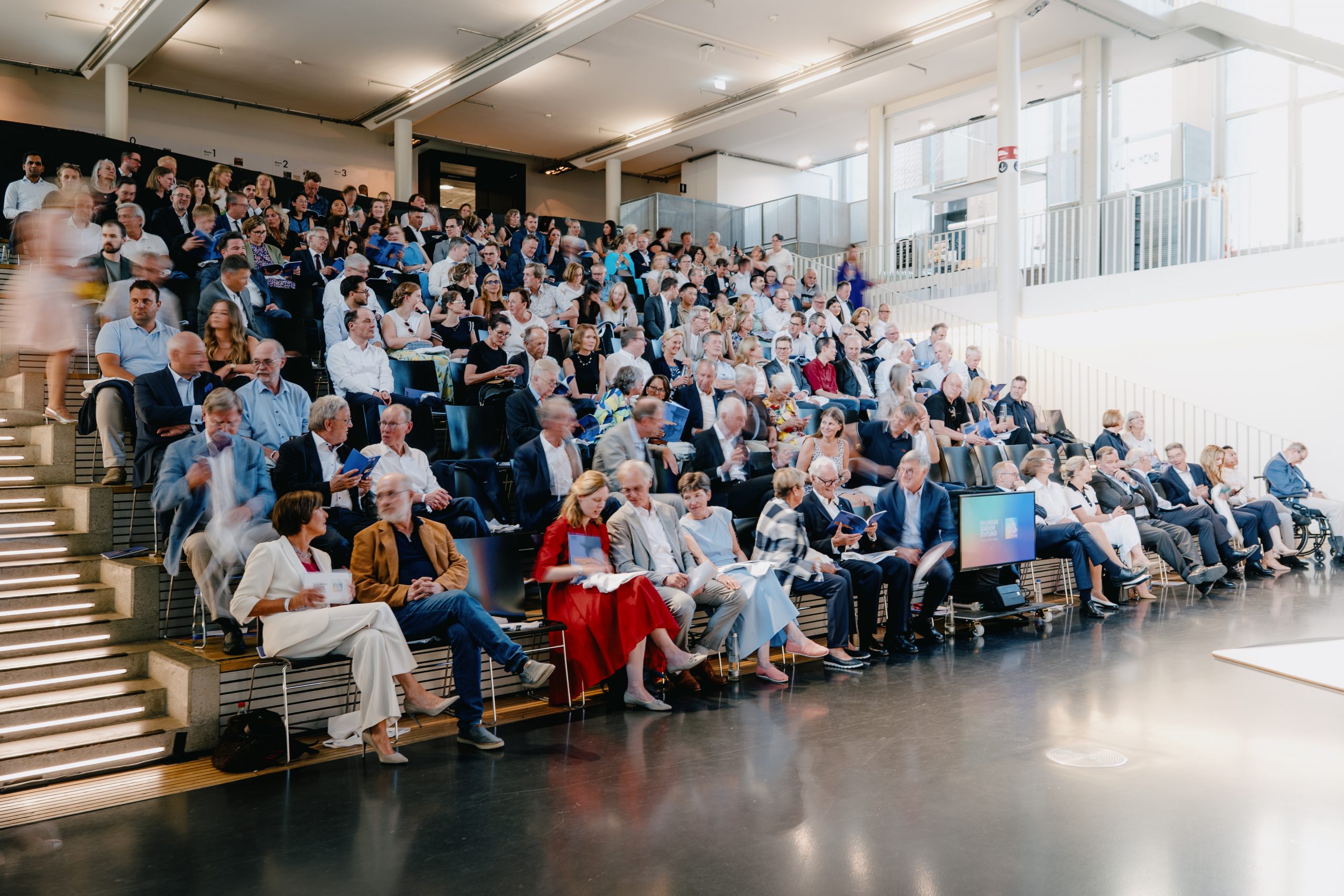
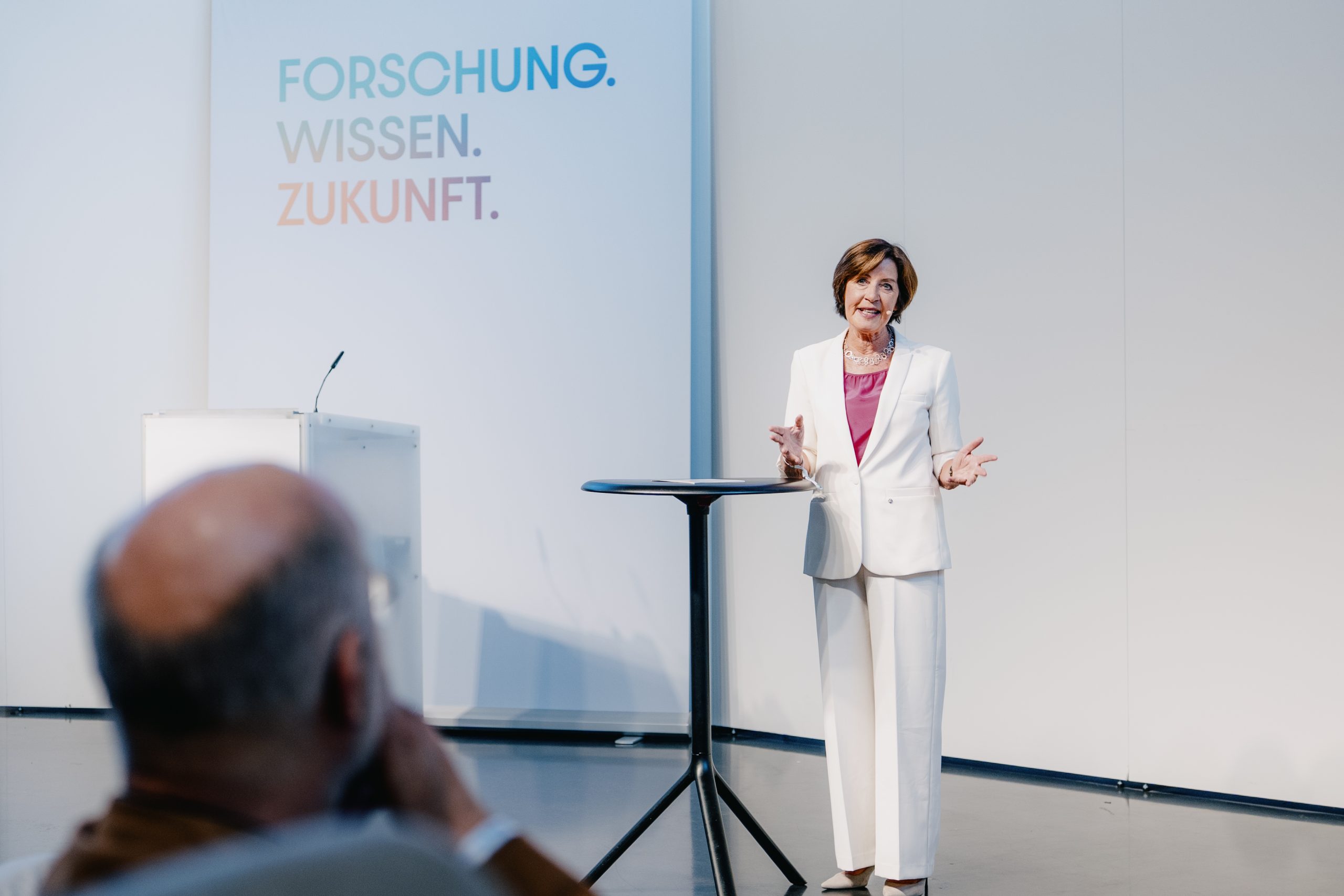
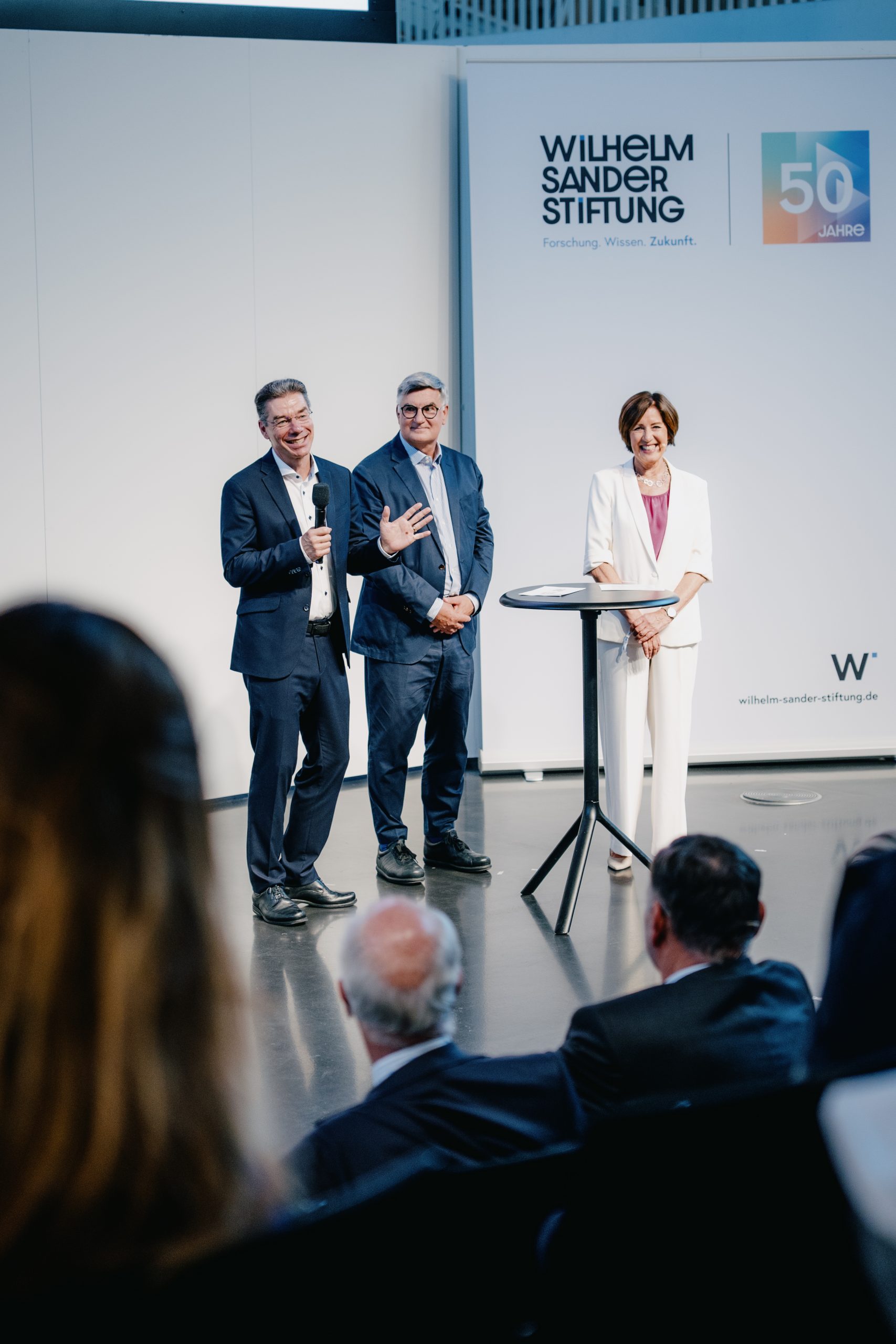
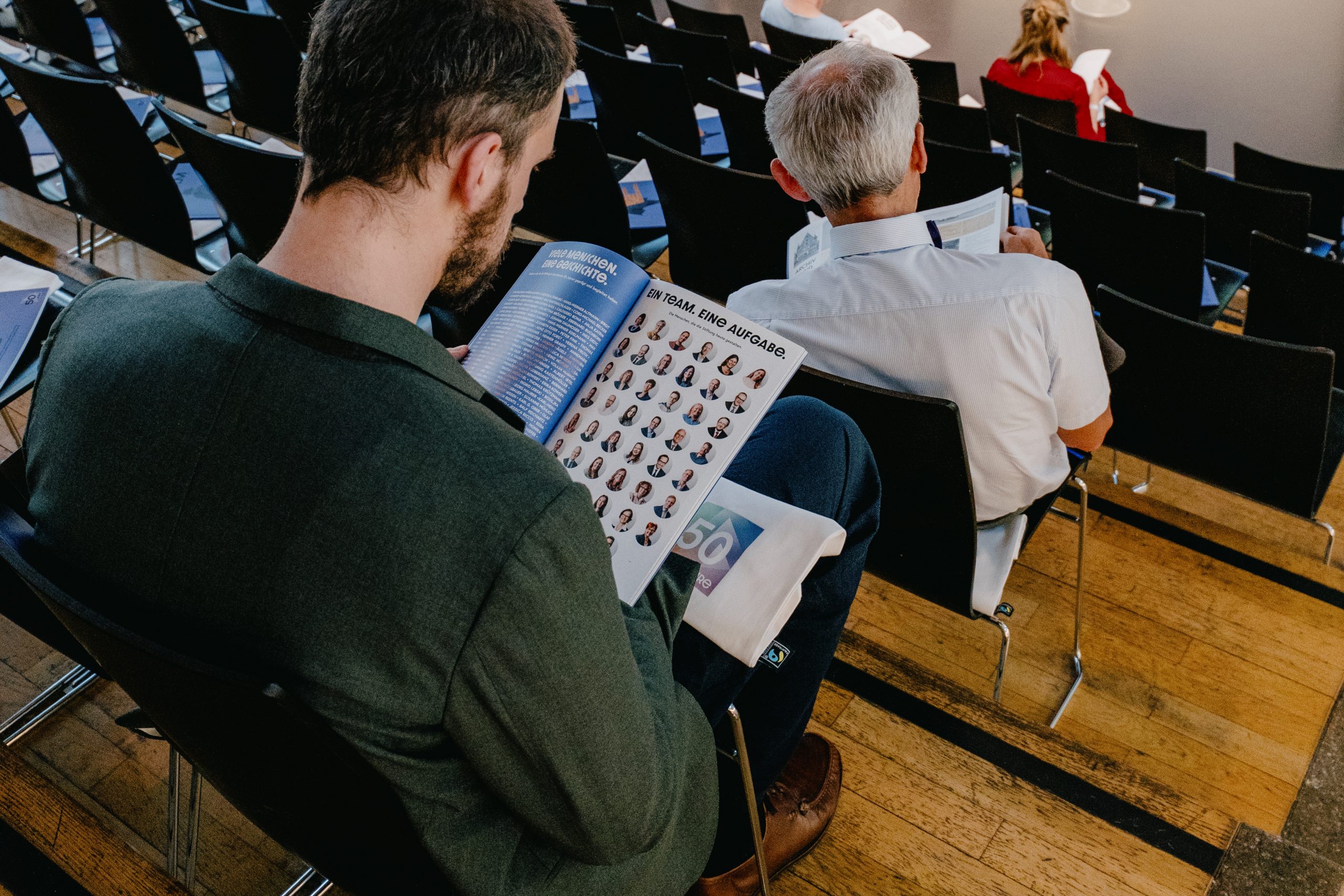
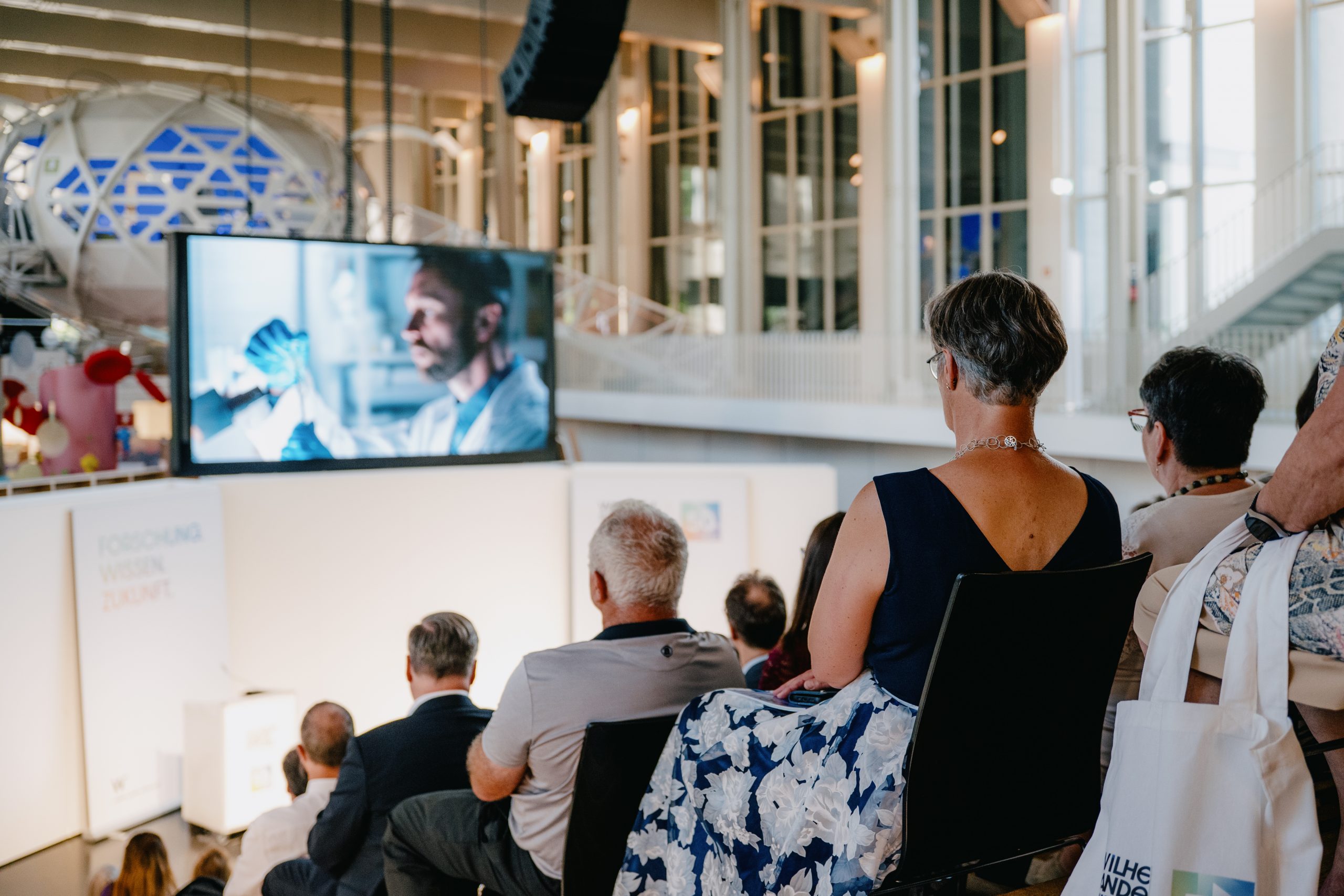
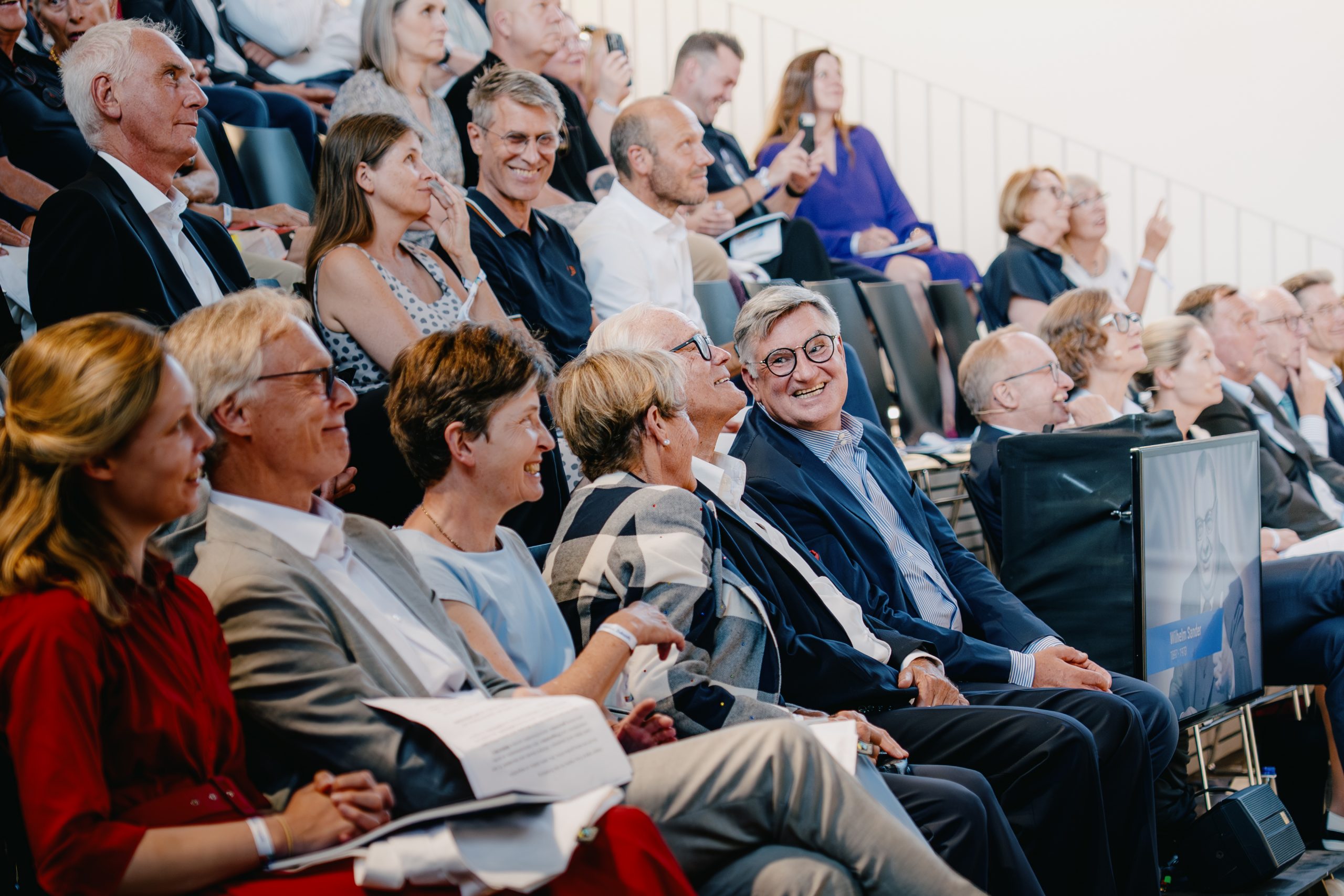
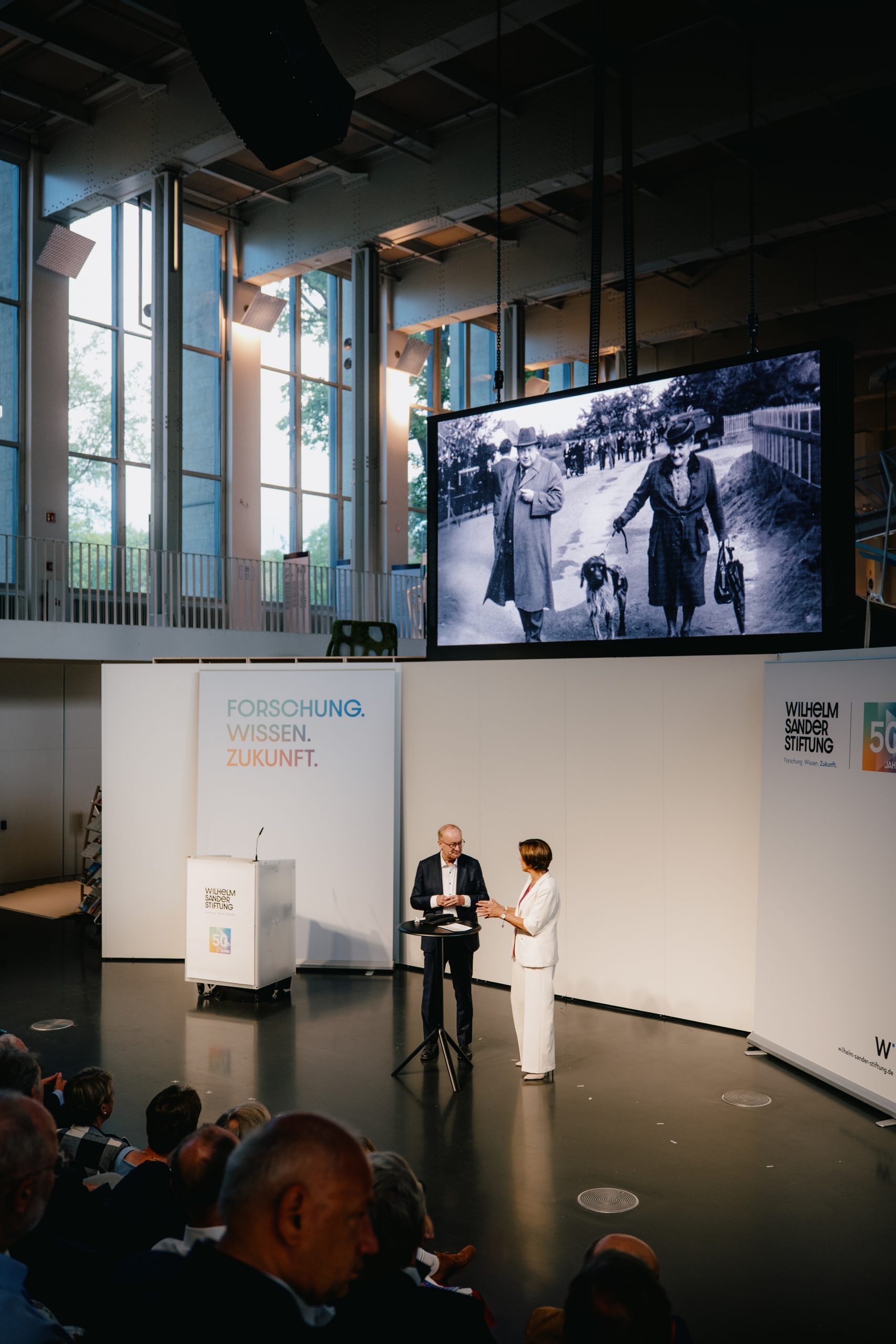
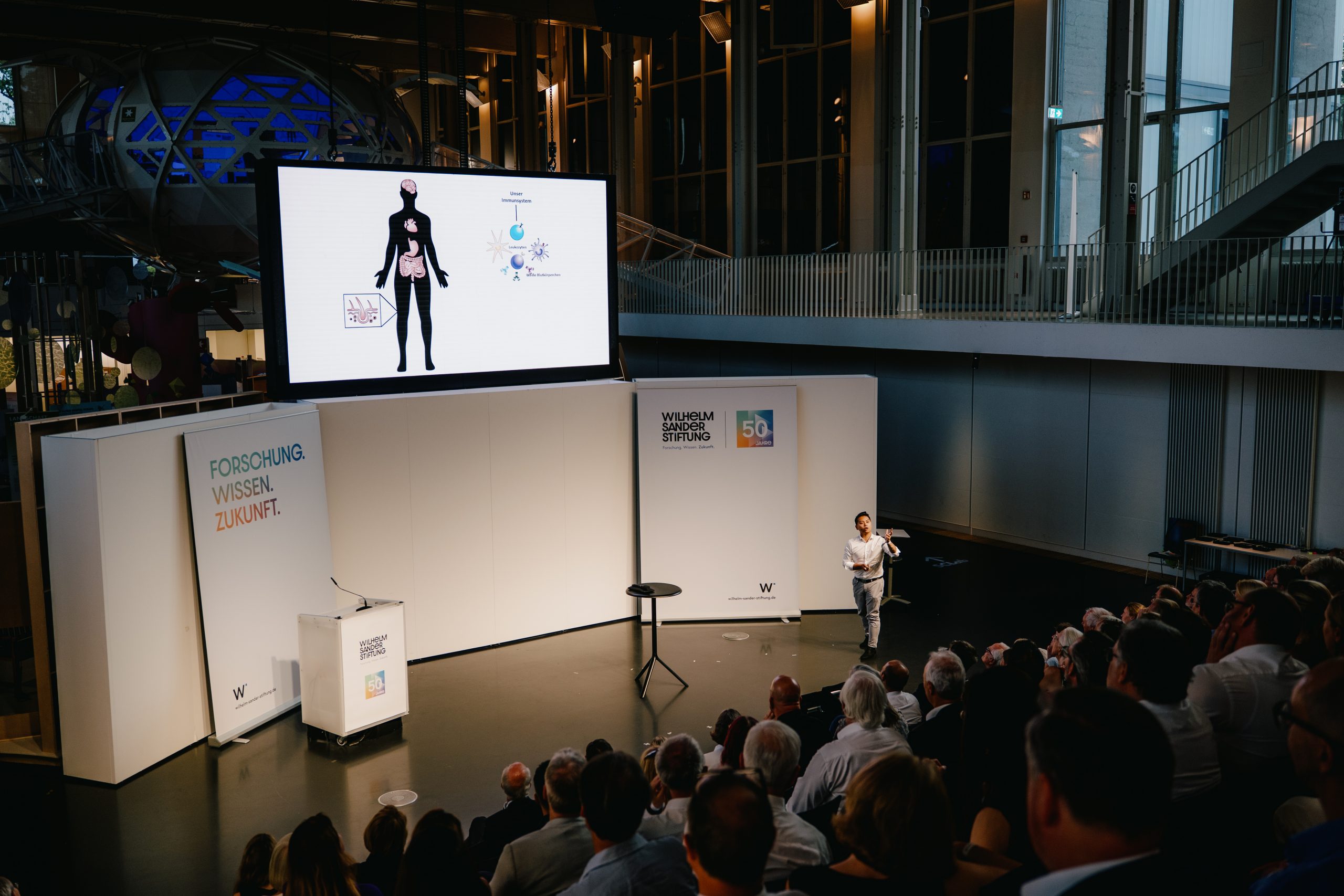
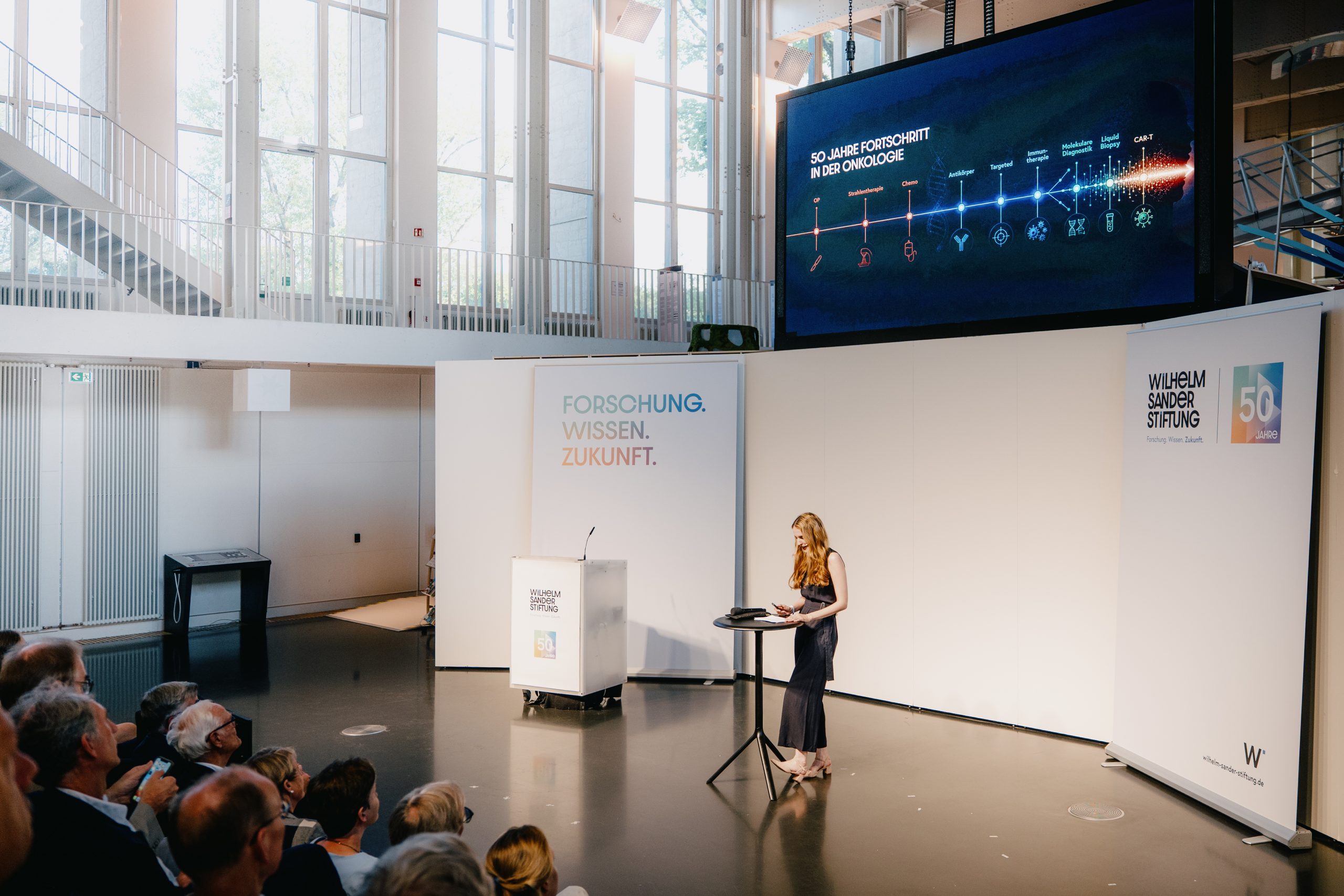
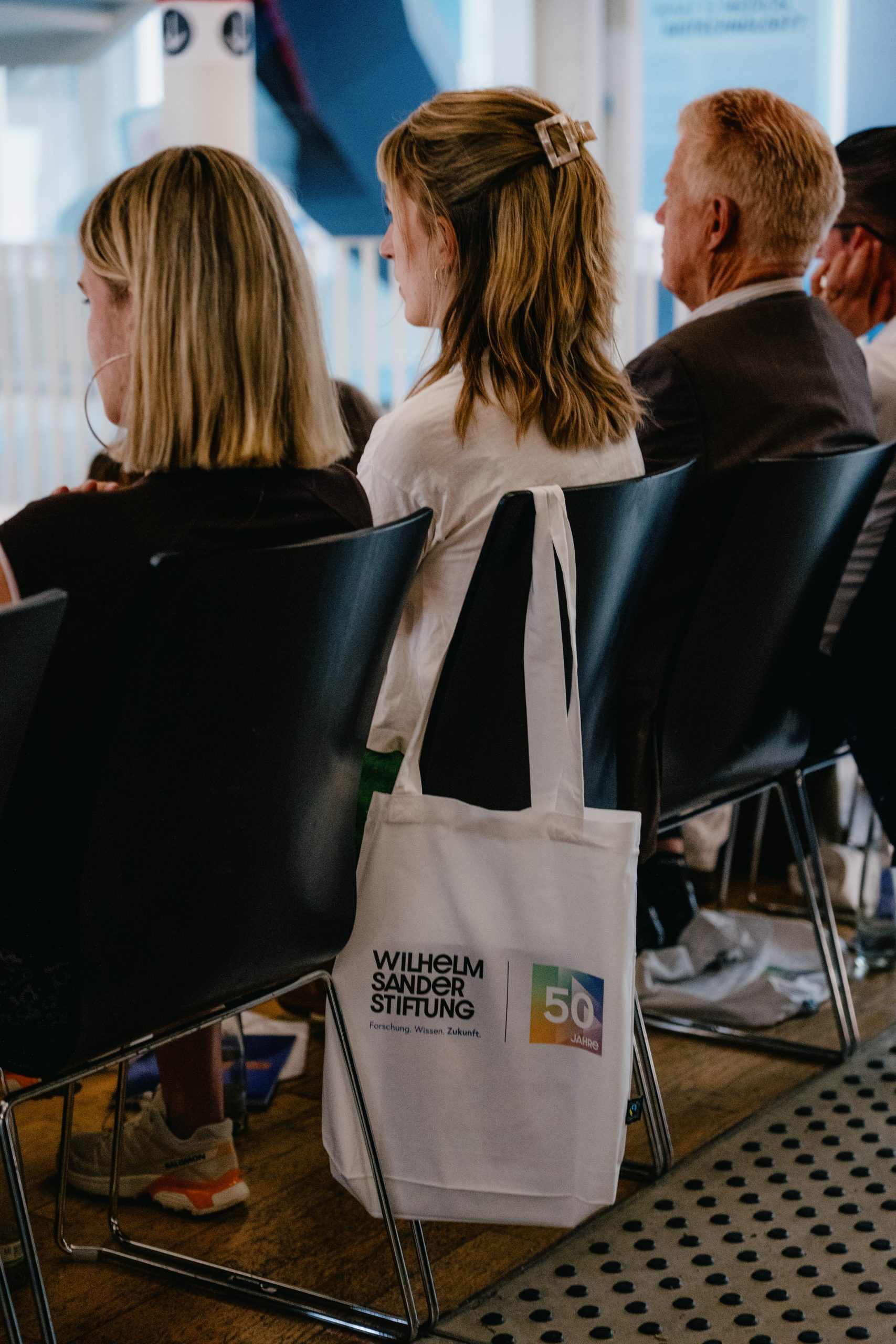

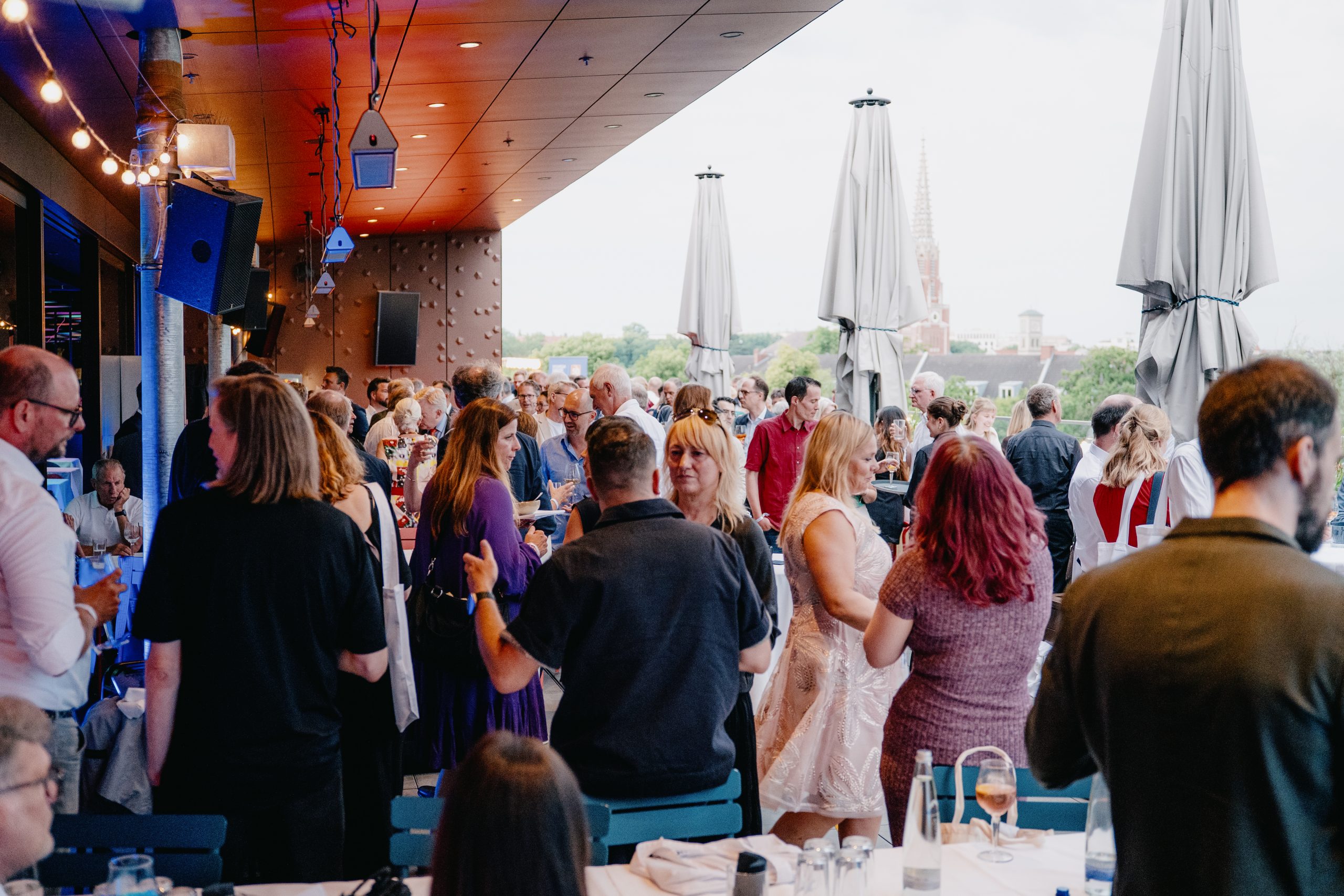
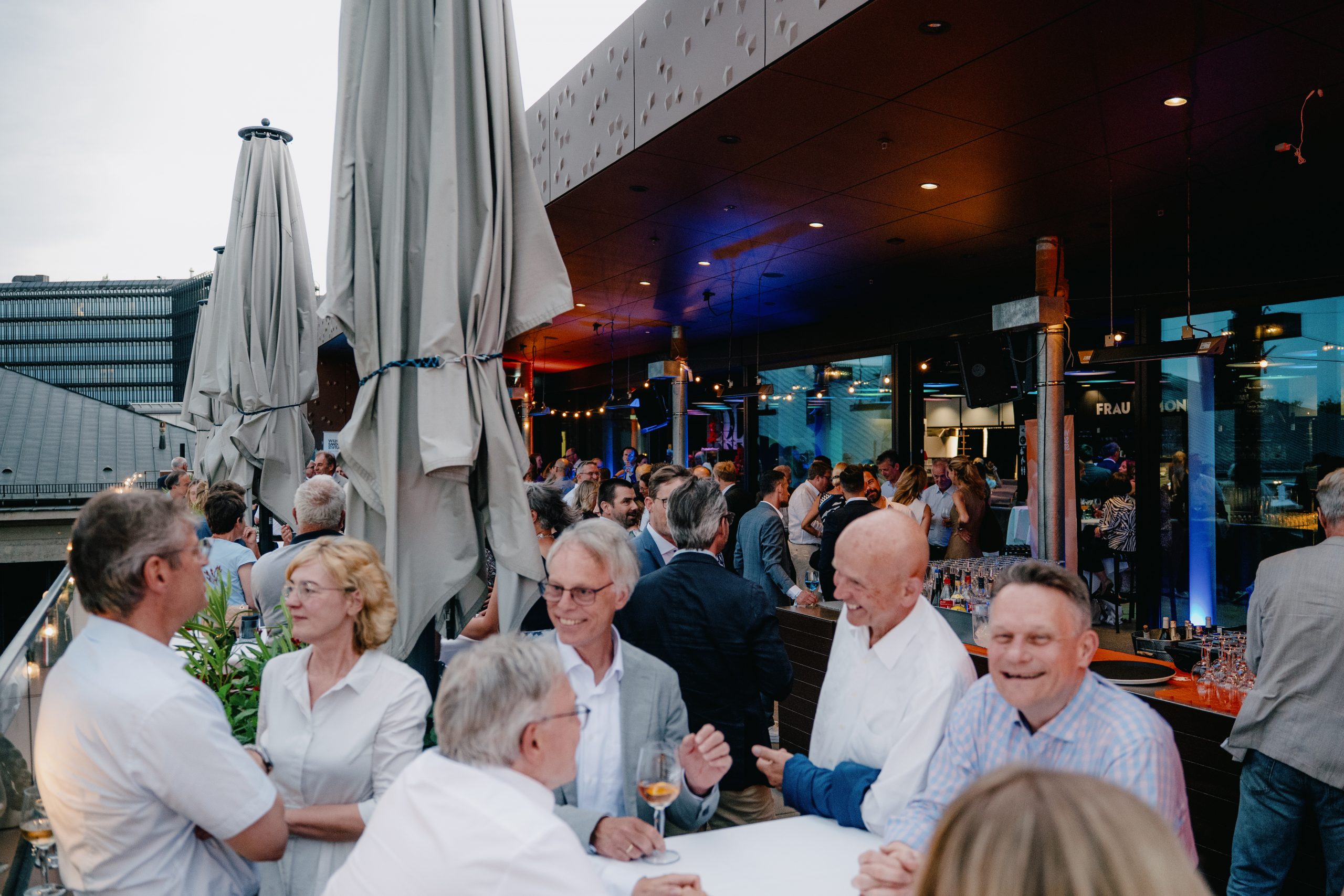
The entrepreneurial driving force behind science: 50 years of the Wilhelm Sander Foundation
Which research projects are given a chance? And why? This is the question the Wilhelm Sander Foundation has been asking itself since its foundation 50 years ago. The independent foundation, headquartered in Neustadt an der Donau with offices in Munich and Leverkusen, supports cutting-edge medical research with a particular focus on cancer research in Germany and Switzerland. The foundation was established from the estate of the Franconian entrepreneur Wilhelm Sander. Since 1975, the foundation has provided around 350 million euros in funding for 2,700 research projects. On 19 June 2026, the foundation will celebrate its anniversary in the auditorium of the Deutsches Museum in Munich. Its sights are firmly set on the future of research funding.
Two signalling pathways work together to make glioblastoma cells more susceptible to the immune system
Glioblastomas are highly aggressive brain tumours and are resistant to both conventional and targeted therapeutic interventions. Immune evasion is pronounced in glioblastomas, which complicates immunotherapy for most patients. Interferon-γ is a messenger substance used by immune cells to inhibit and kill cancer cells. Researchers led by Claudio Giachino from the Department of Biomedicine at the University of Basel now have evidence that the activity of the Notch signalling pathway makes certain subtypes of glioblastoma more sensitive to interferon. The Wilhelm Sander Foundation supported the project with approximately €165,000.
Launch of a new partnership: The Bavarian Academy of Sciences and Humanities and the Wilhelm Sander Foundation are organising an international symposium
The Bavarian Academy of Sciences (BAdW) and the Wilhelm Sander Foundation are launching their collaboration with an international scientific symposium in March 2027 on the topics of immuno-oncology and ferroptosis. The event marks the start of enhanced cooperation in the field of science communication – with the aim of jointly strengthening the visibility and societal impact of medical research, particularly cancer research.