

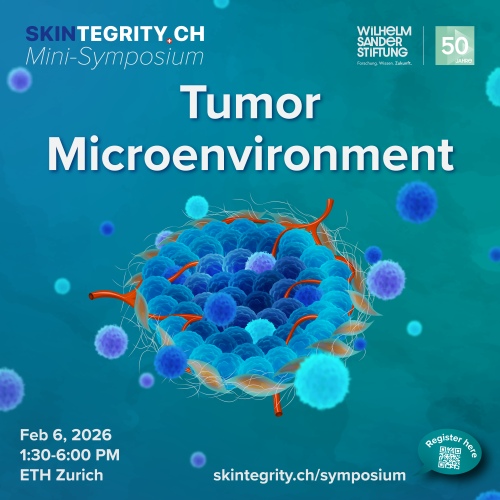
ETH Zurich, Prof. Dr Sabine Werner and the SKINTEGRITY.CH consortium: Symposium on the tumour microenvironment
The tumour microenvironment (TME) refers to the complex ecosystem surrounding cancer cells, comprising immune cells, fibroblasts, nerve cells, blood vessels, signalling molecules and the extracellular matrix. Interactions within this environment play a critical role in tumour growth, progression and response to treatment. For instance, cancer-associated fibroblasts and immune cells can either suppress or promote tumour development depending on their activation state.
Understanding the TME is essential for developing more effective cancer treatments. By targeting not only the tumour cells but also their supporting environment, researchers aim to disrupt tumour-promoting signals and enhance anti-tumour immunity, ultimately improving patient outcomes.
Since 1975, the Wilhelm Sander Foundation has supported medical research, particularly in the field of cancer research. To mark the foundation’s 50th anniversary, it has joined forces with the SKINTEGRITY.CH consortium to organise an event that shines a spotlight on some of the cutting-edge research into the tumour microenvironment.
It is therefore with great pleasure that we announce a one-afternoon mini-symposium on Friday, 6 February 2026, at which some of the leading researchers in this field will share their latest findings. The detailed programme for the afternoon is set out below. The event will take place in the “H33 Auditorium” on the Hönggerberg Campus of ETH Zurich (HPM Building, H Floor), at Otto-Stern-Weg 3.
Please note: Registration will open in December 2025.

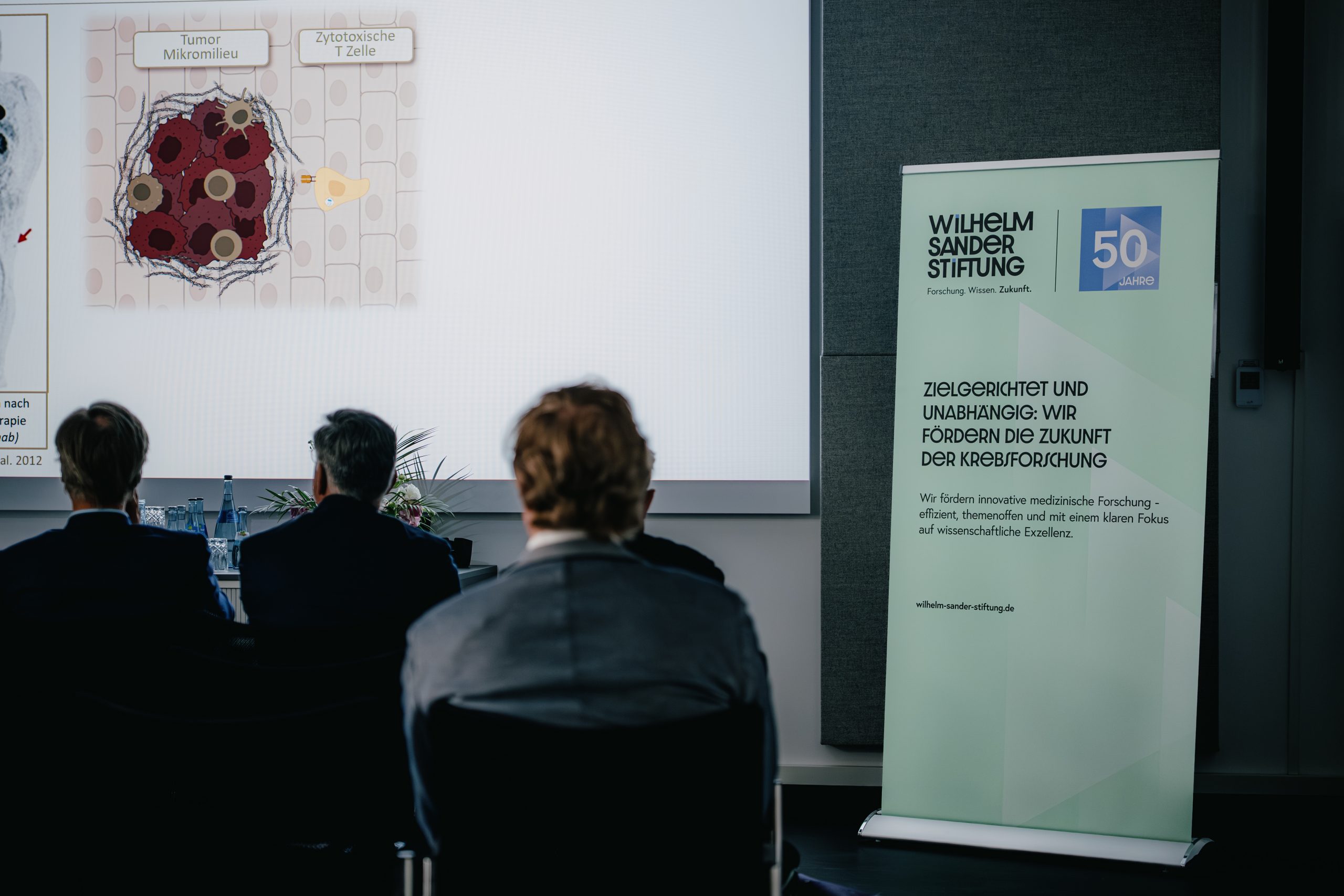
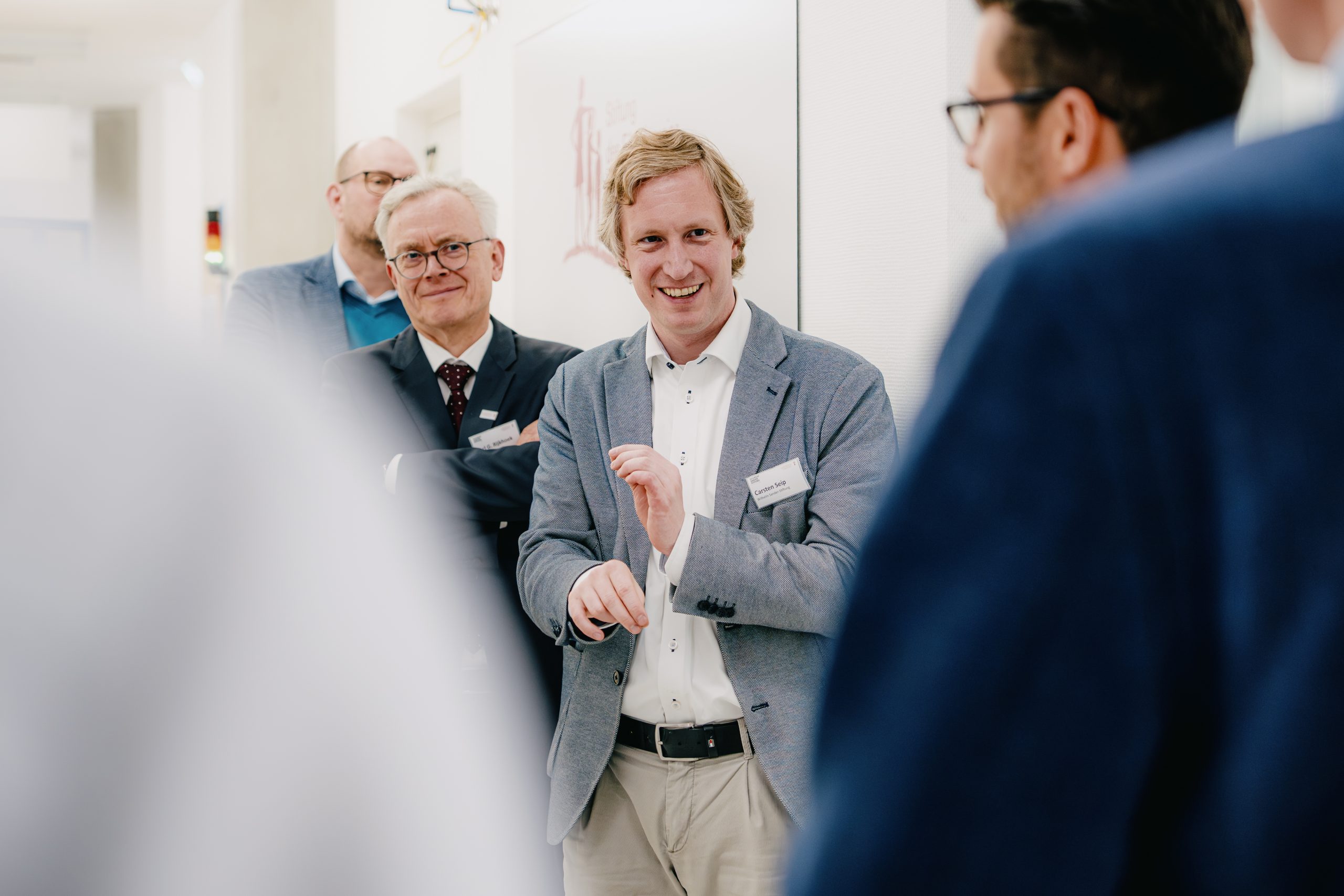
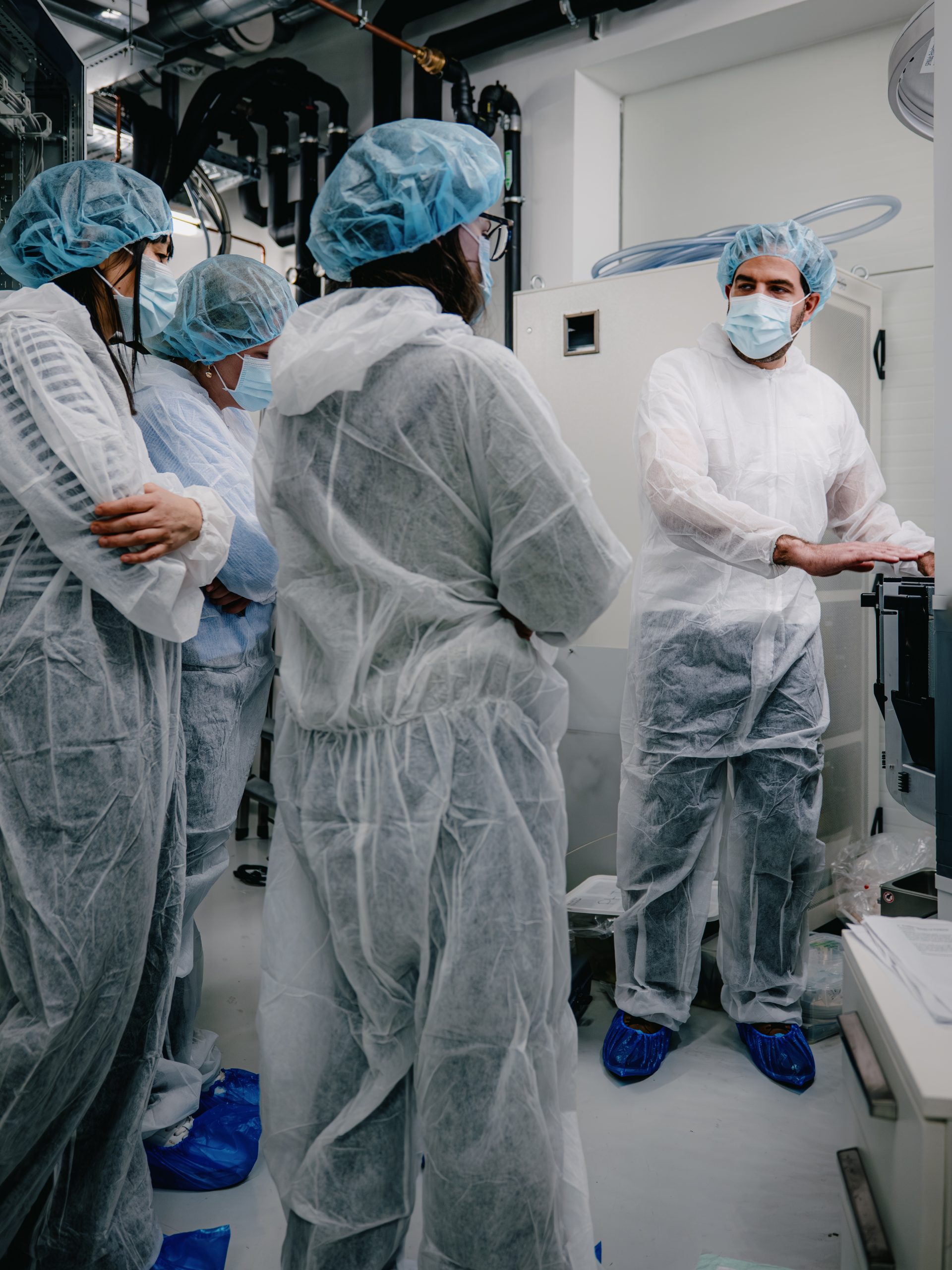
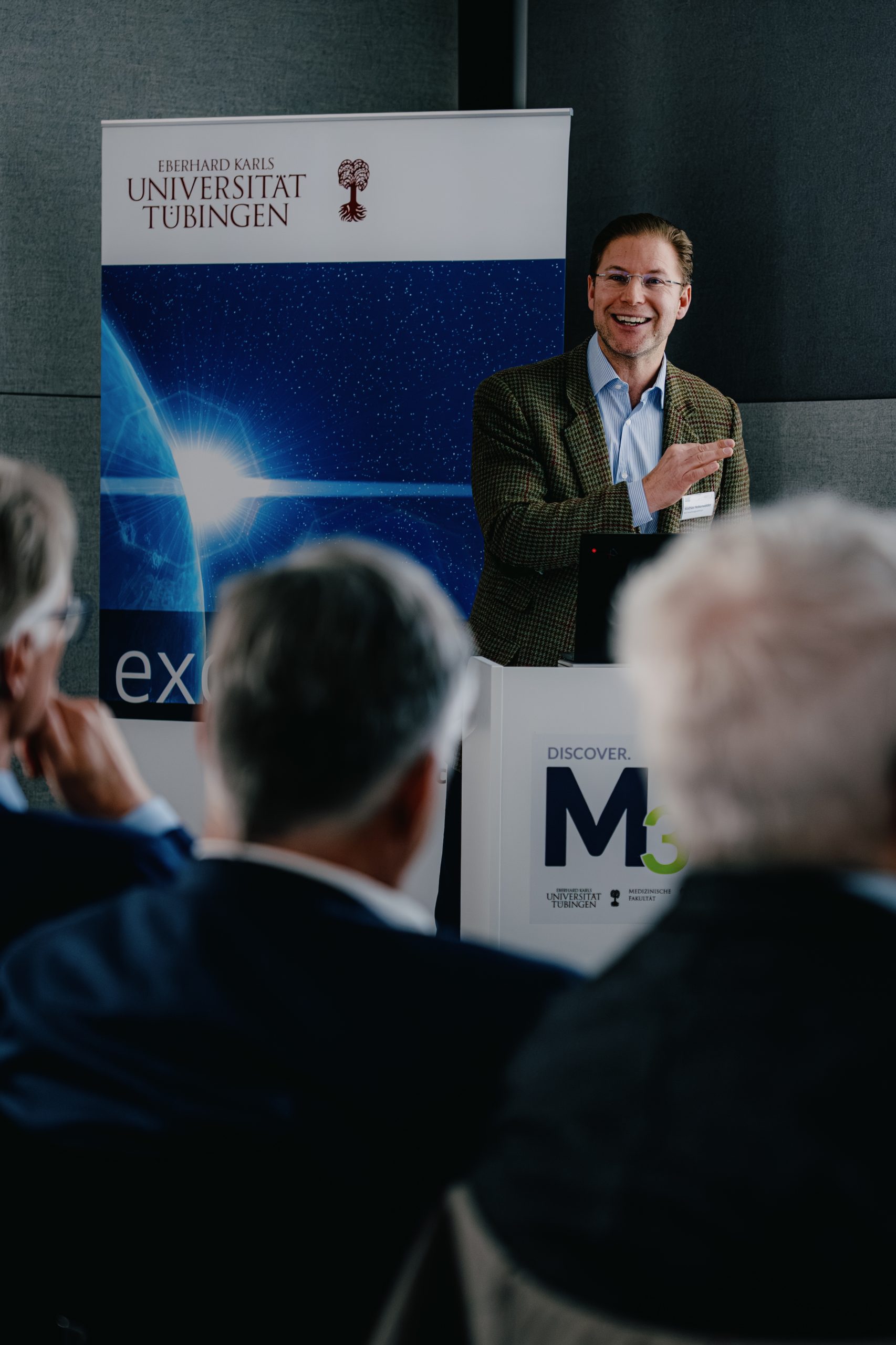
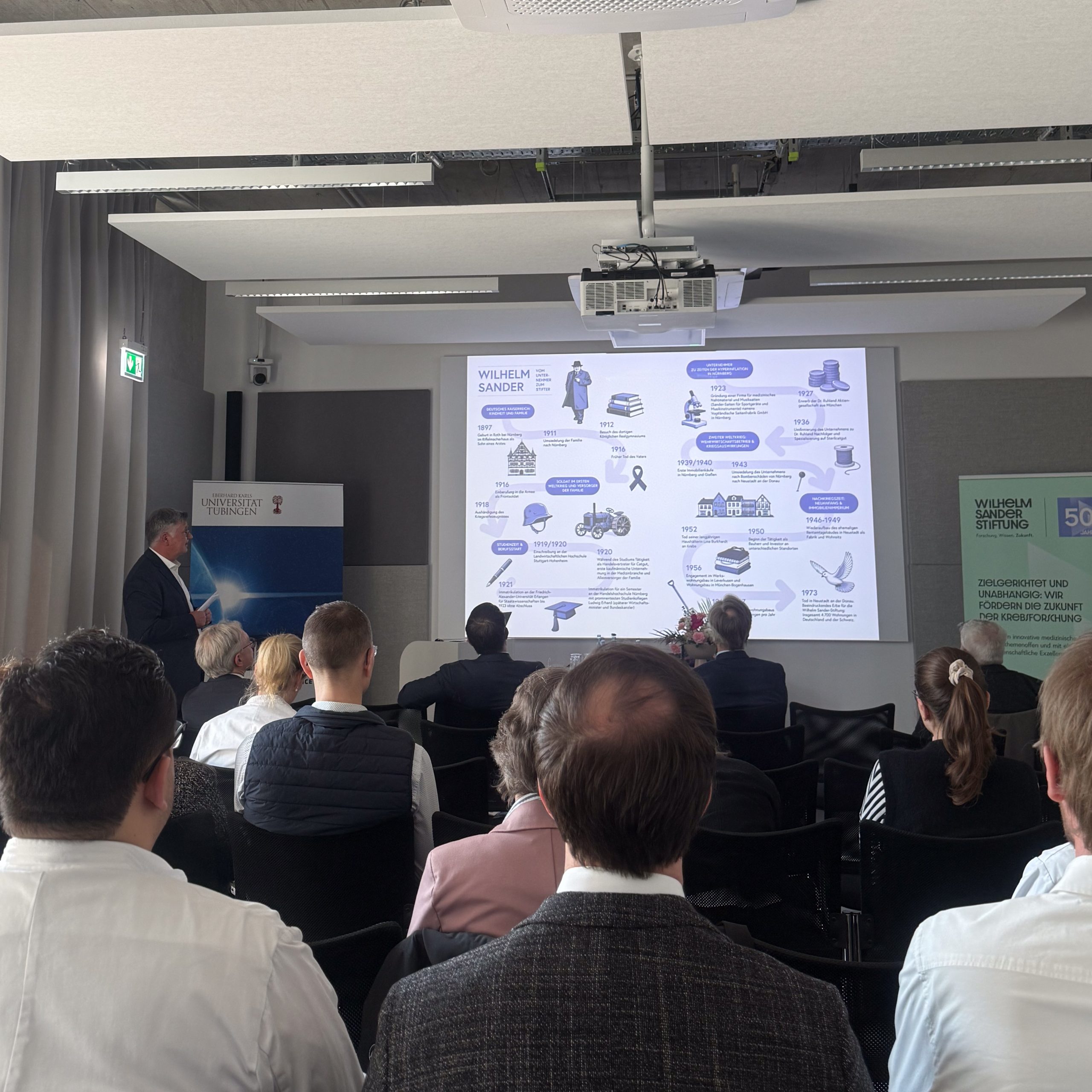
Eberhard Karls University of Tübingen: a get-together between researchers and external funding bodies
The tumour microenvironment (TME) is a complex ecosystem that surrounds cancer cells and consists of immune cells, fibroblasts, nerve cells, blood vessels and signalling molecules. The interactions within this environment are crucial for tumour growth, disease progression and response to treatments. For example, depending on their state of activation, cancer-associated fibroblasts and immune cells can either suppress or promote tumour development.
Understanding the TME is essential for the development of more effective cancer therapies. By focusing not only on the tumour cells but also on their supporting environment, researchers aim to disrupt tumour-promoting signals and strengthen the body’s own immune defence against the tumour, ultimately improving patients’ chances of recovery.
Since 1975, the Wilhelm Sander Foundation has been supporting medical research, particularly in the field of oncology. To mark our 50th anniversary, we have launched an internal initiative in collaboration with the Faculty of Medicine at the University of Tübingen.
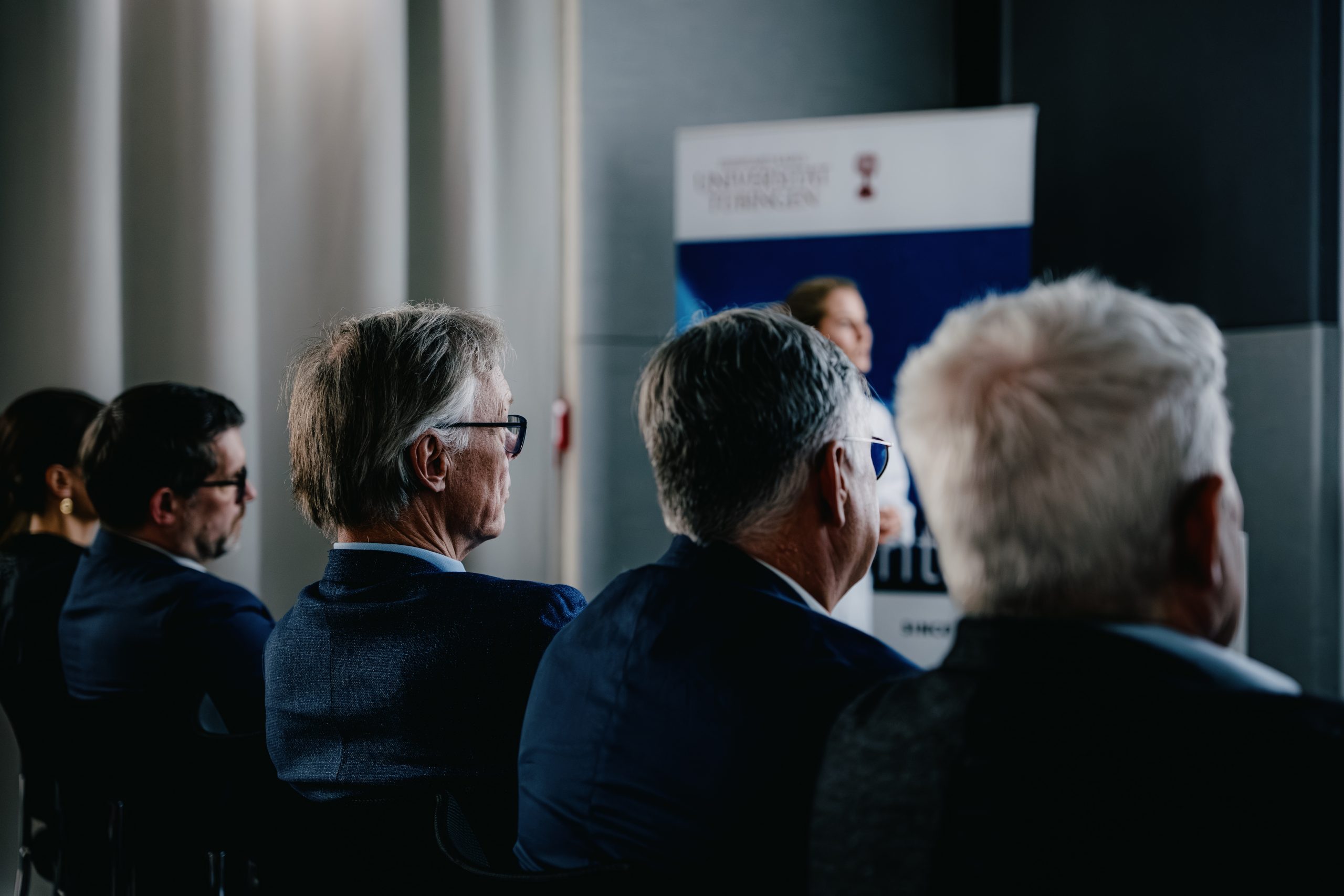
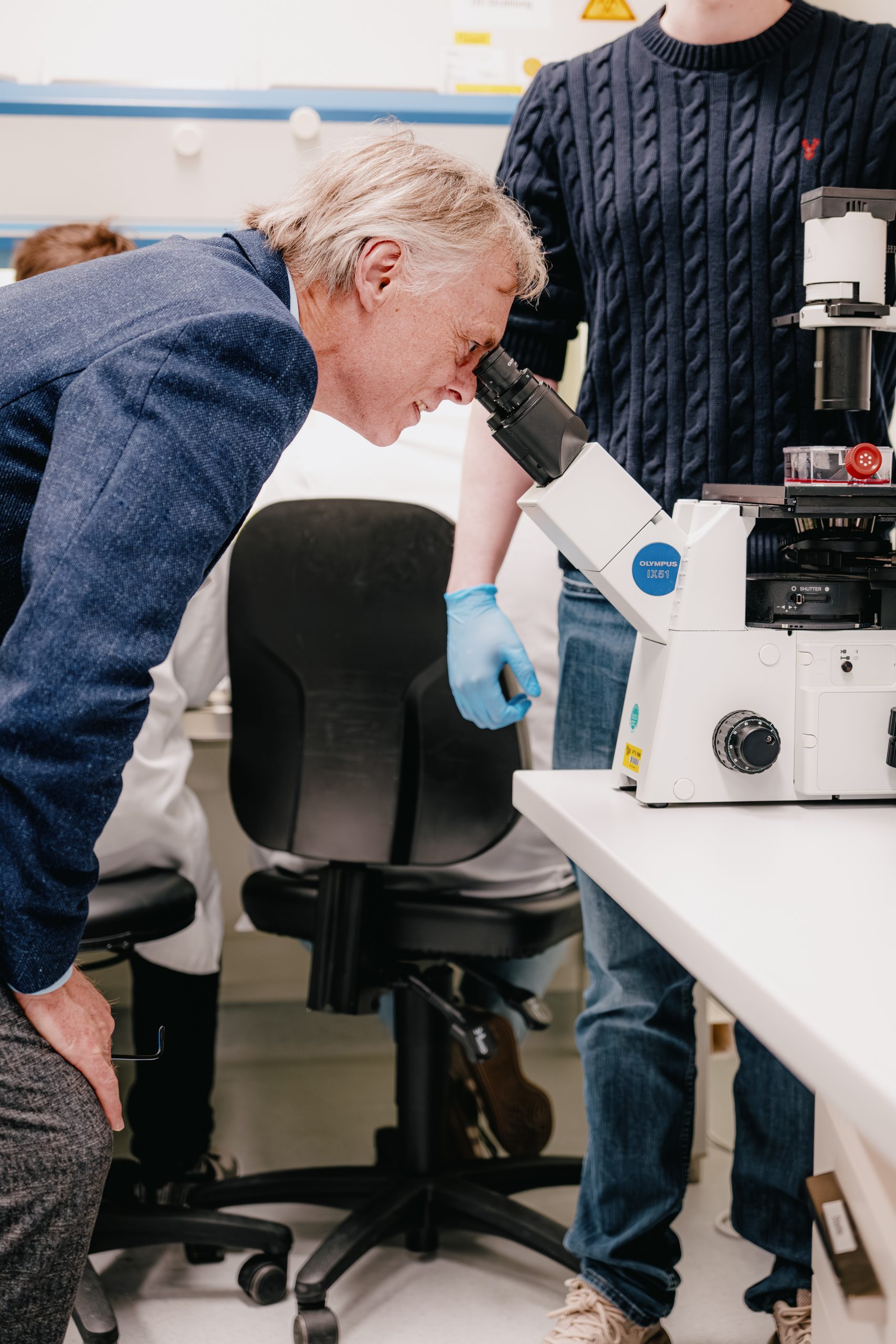
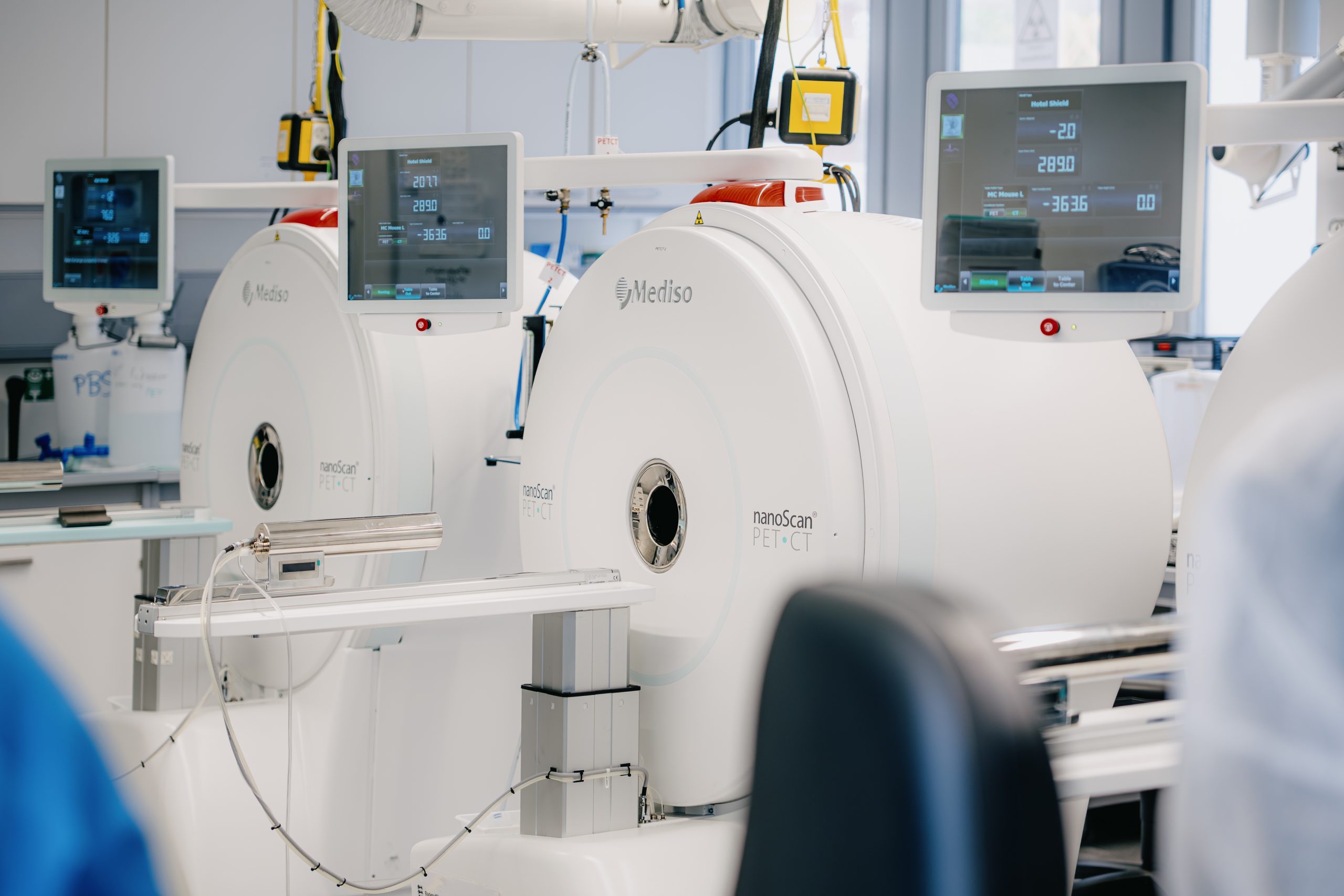
In this informal setting, we would like to take the time to present and discuss current research projects in the fields of oncology, immunotherapy and molecular imaging. The symposium offers us the opportunity to review the funded projects and to deepen the direct exchange between the research groups.
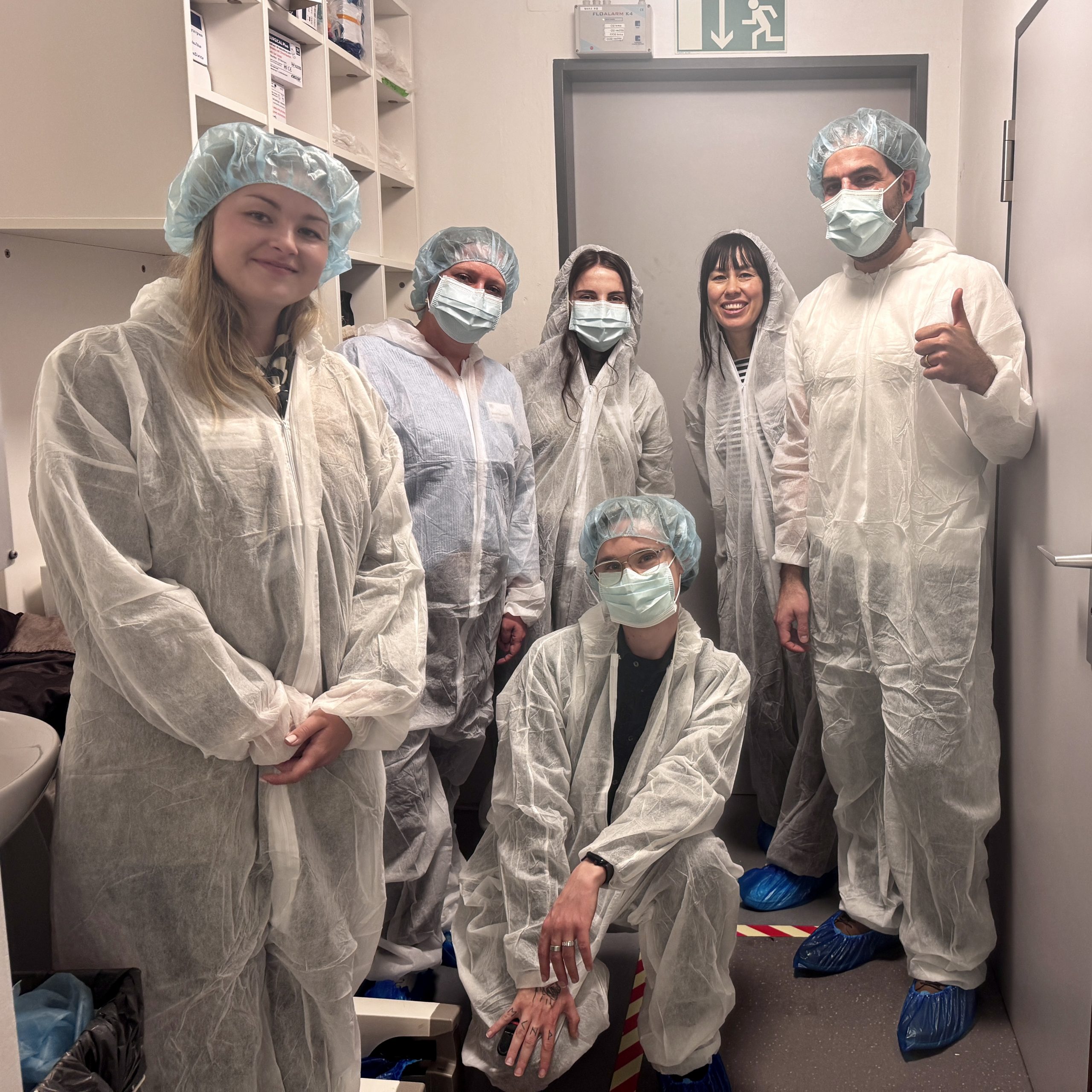
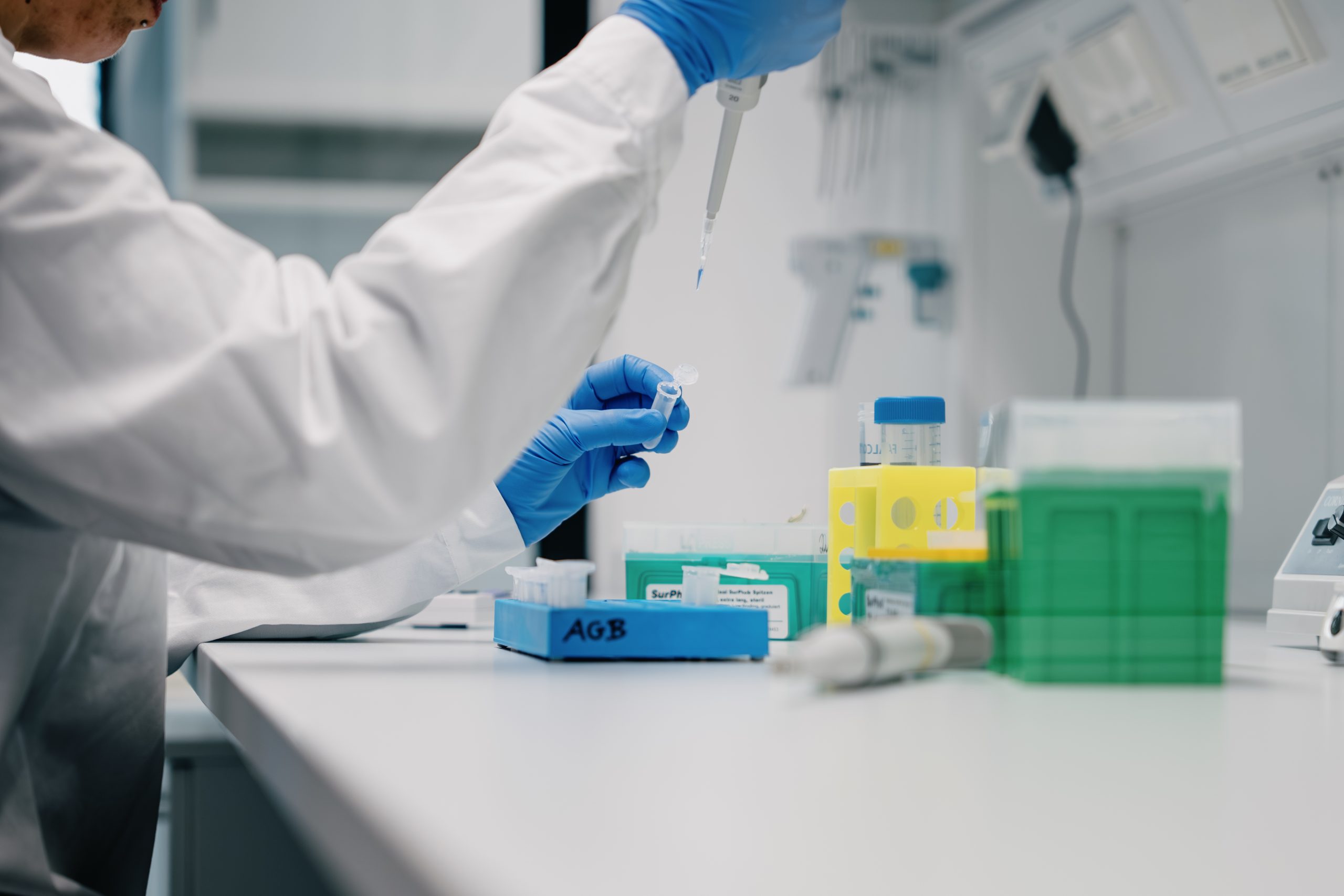
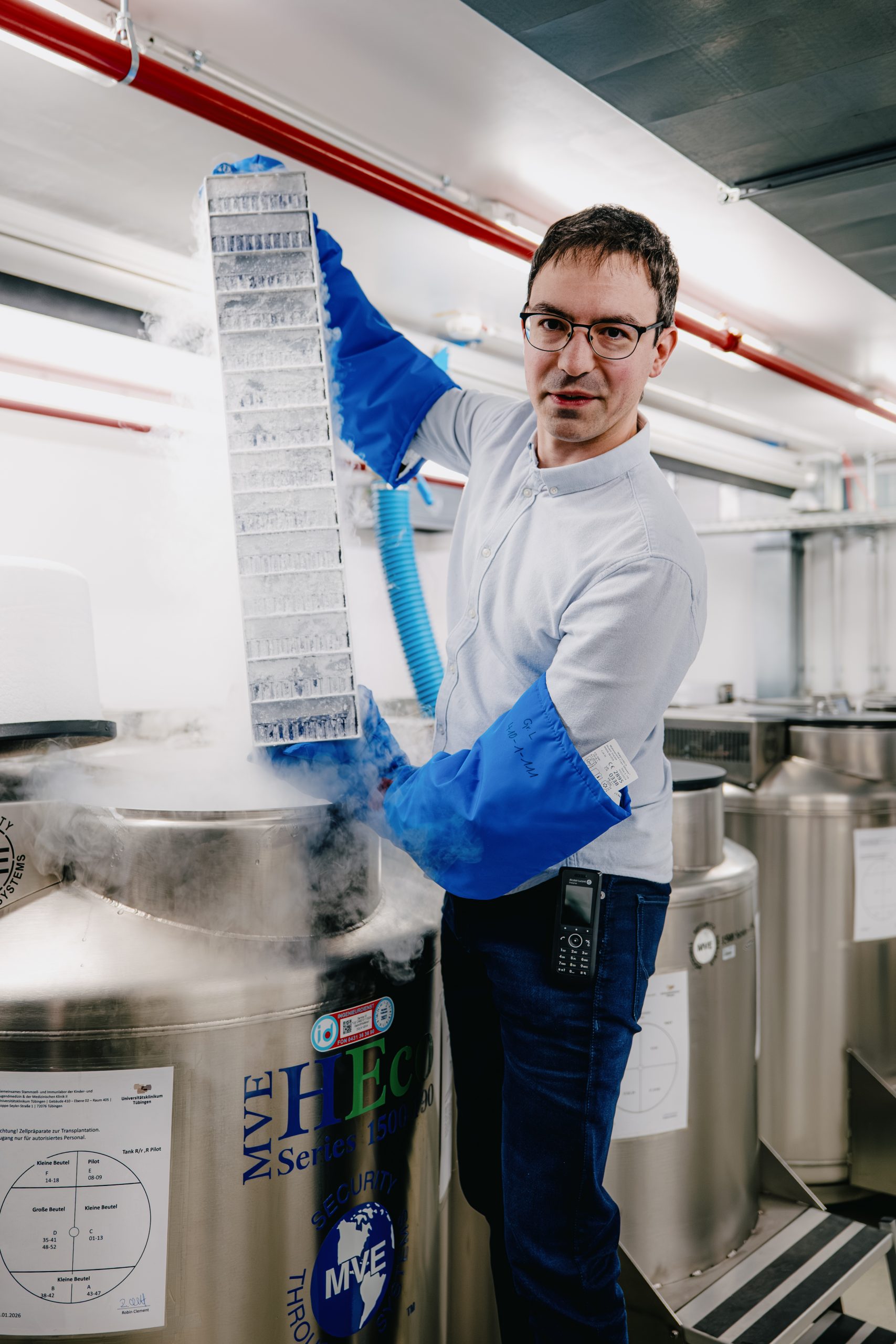
The programme provides an overview of the Tübingen site, insights into the iFIT Cluster of Excellence, as well as specific laboratory tours and project presentations in the afternoon. We look forward to a productive day and stimulating discussions amongst colleagues.
Highlights from the symposium
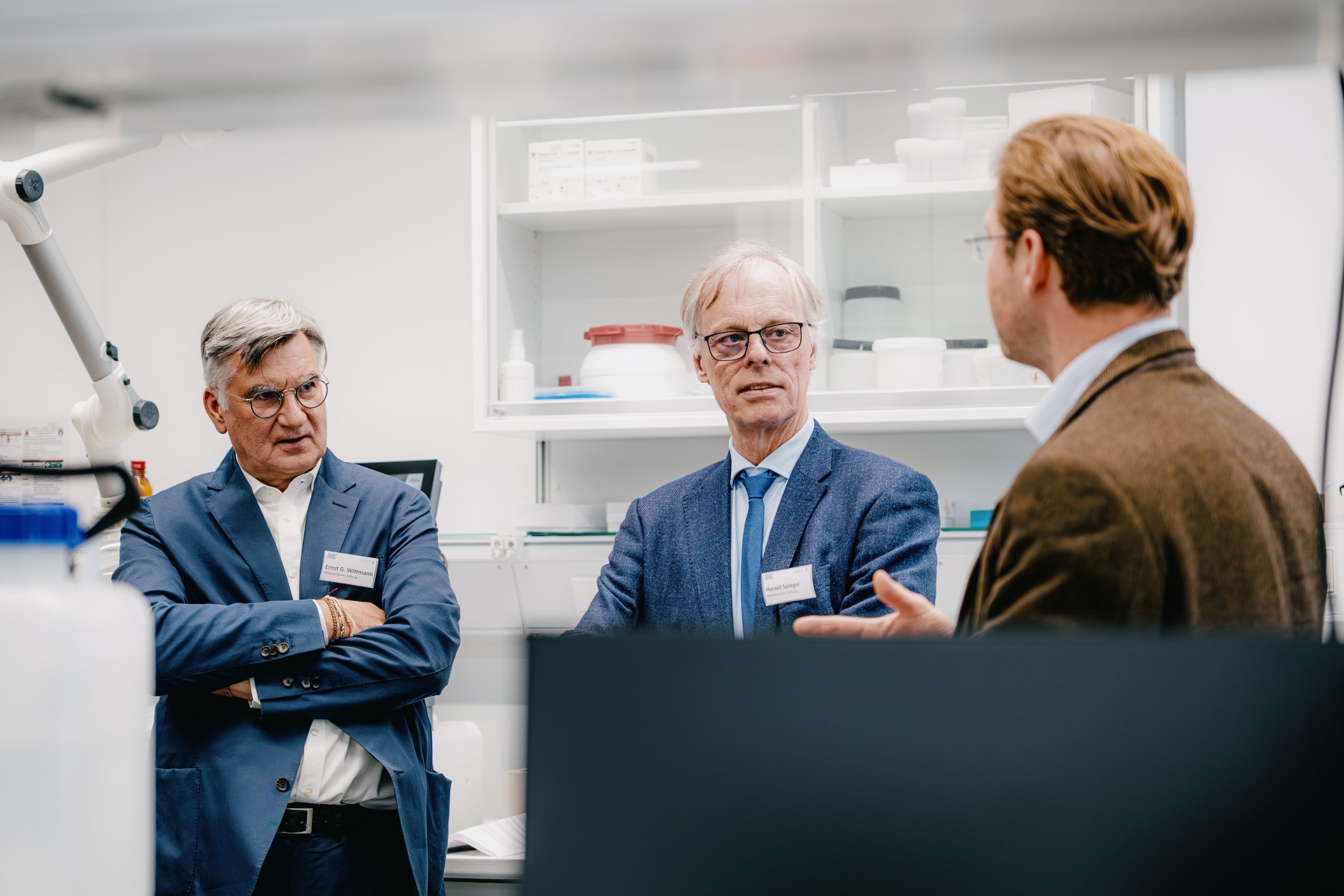
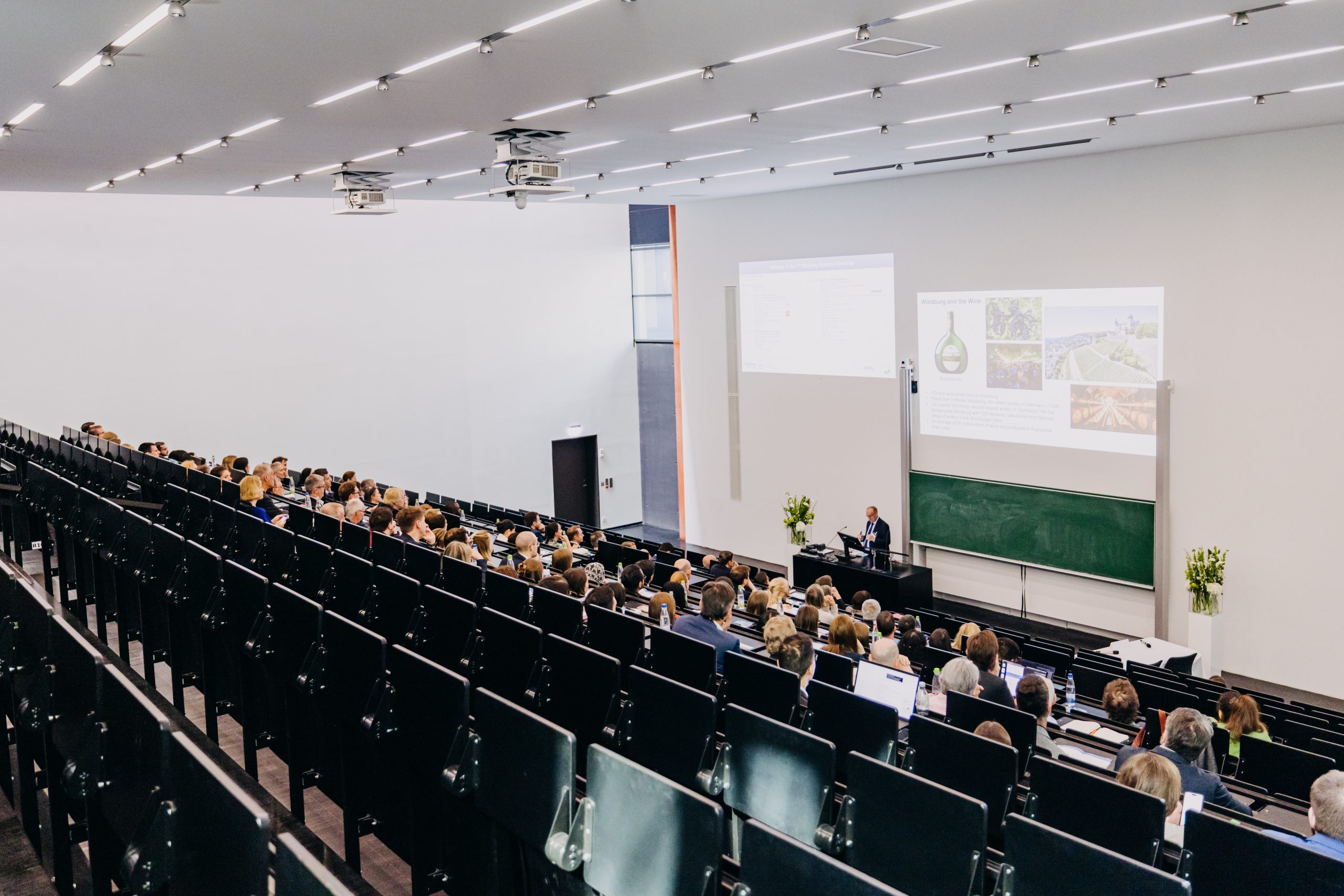
Würzburg University Hospital, Prof. Dr Hermann Einsele: International Symposium on Multiple Myeloma
Multiple myeloma and its interaction with the tumour microenvironment are currently at the centre of rapid medical advancements. Unravelling the complex biology of plasma cells and their interaction with the surrounding tissue is crucial to better understanding the development of the disease and opening up innovative treatment pathways. The aim of current research is to identify new therapeutic targets through precise analyses of cellular pathways and to improve the chances of recovery in the long term.
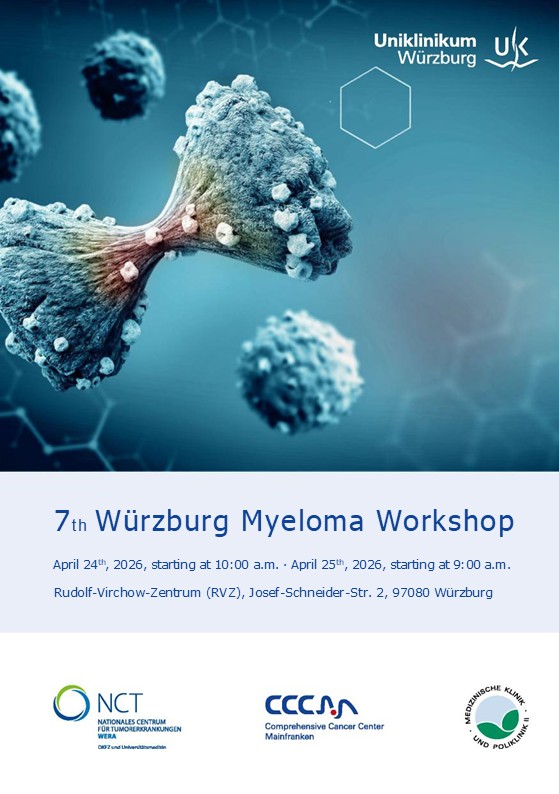
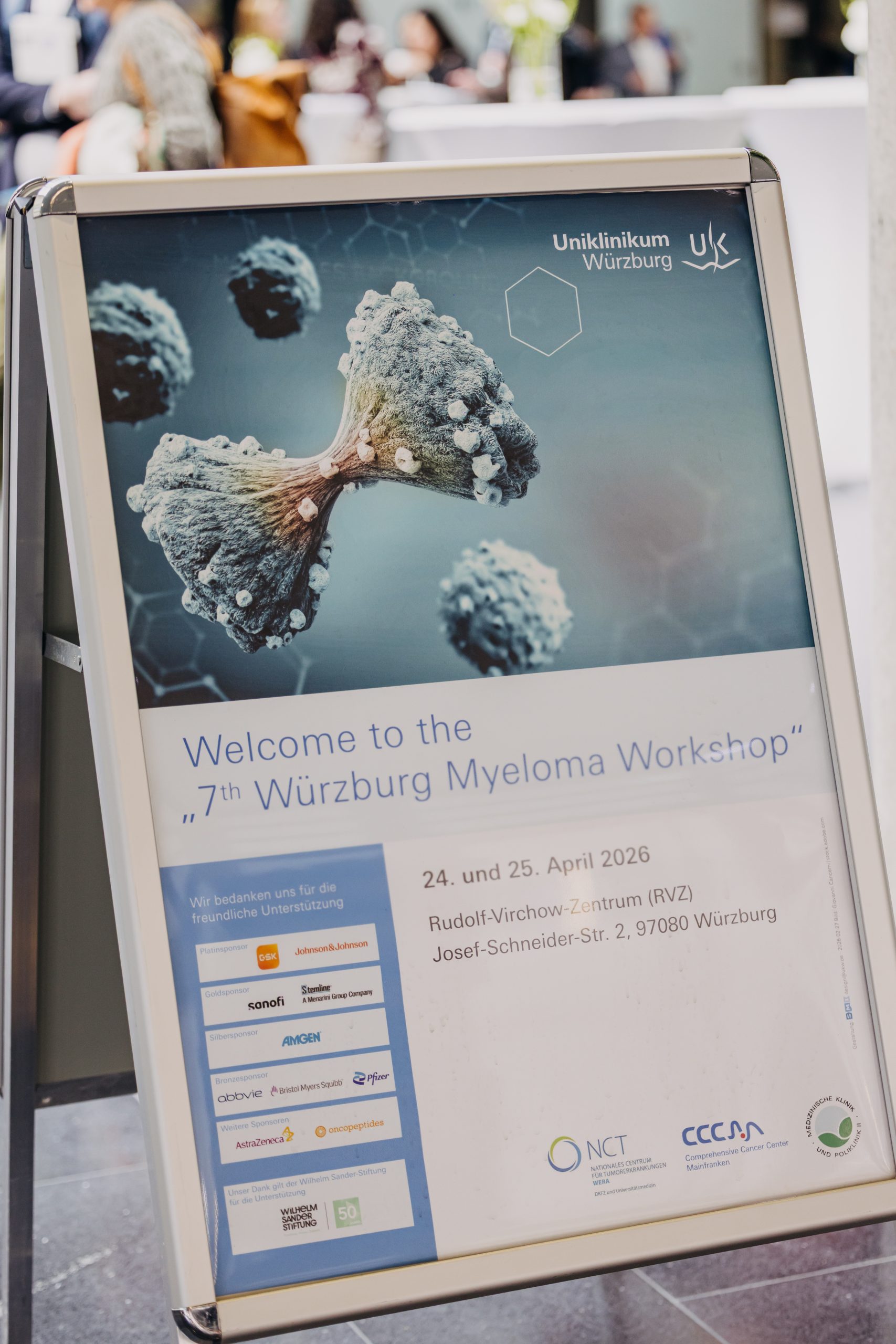
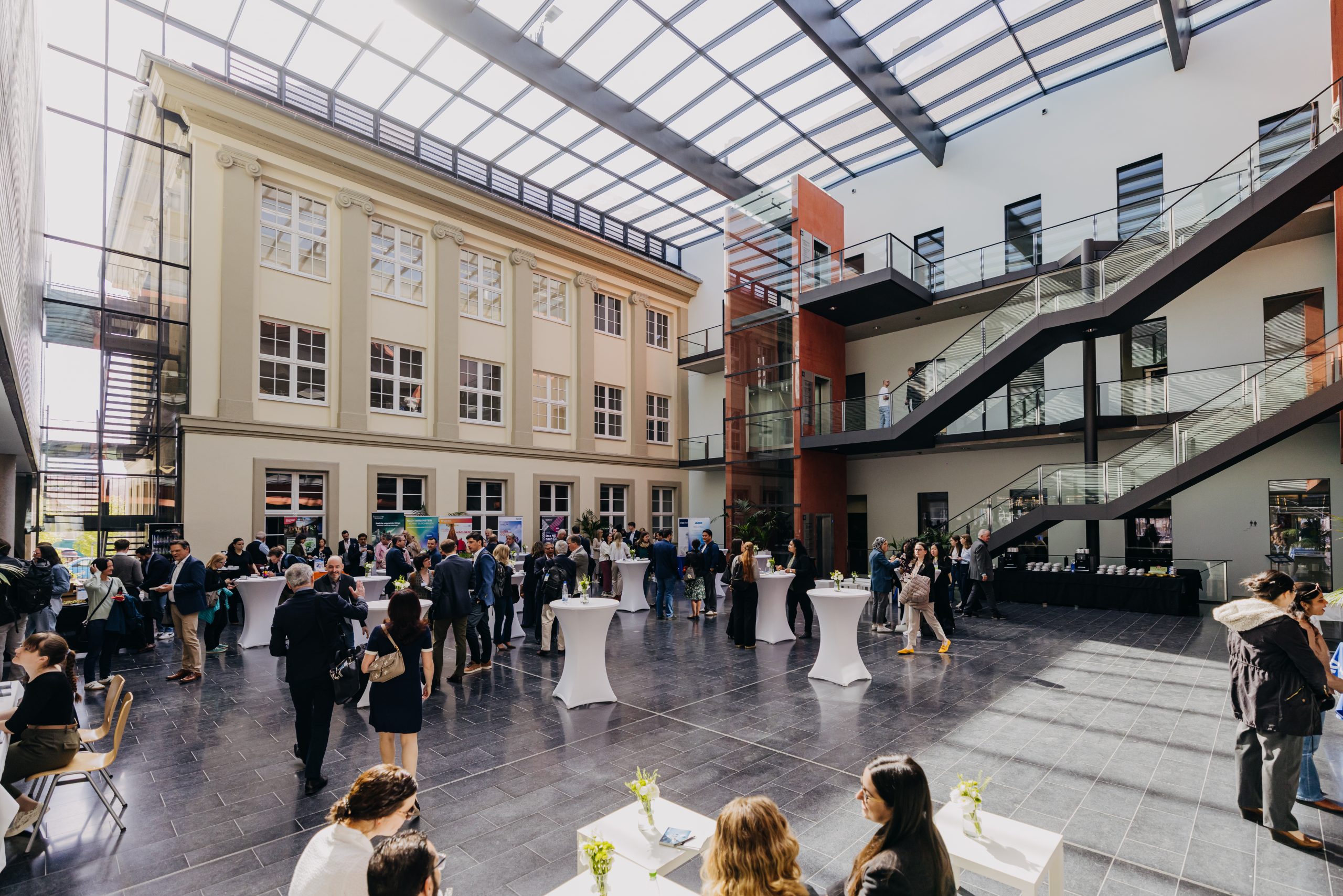
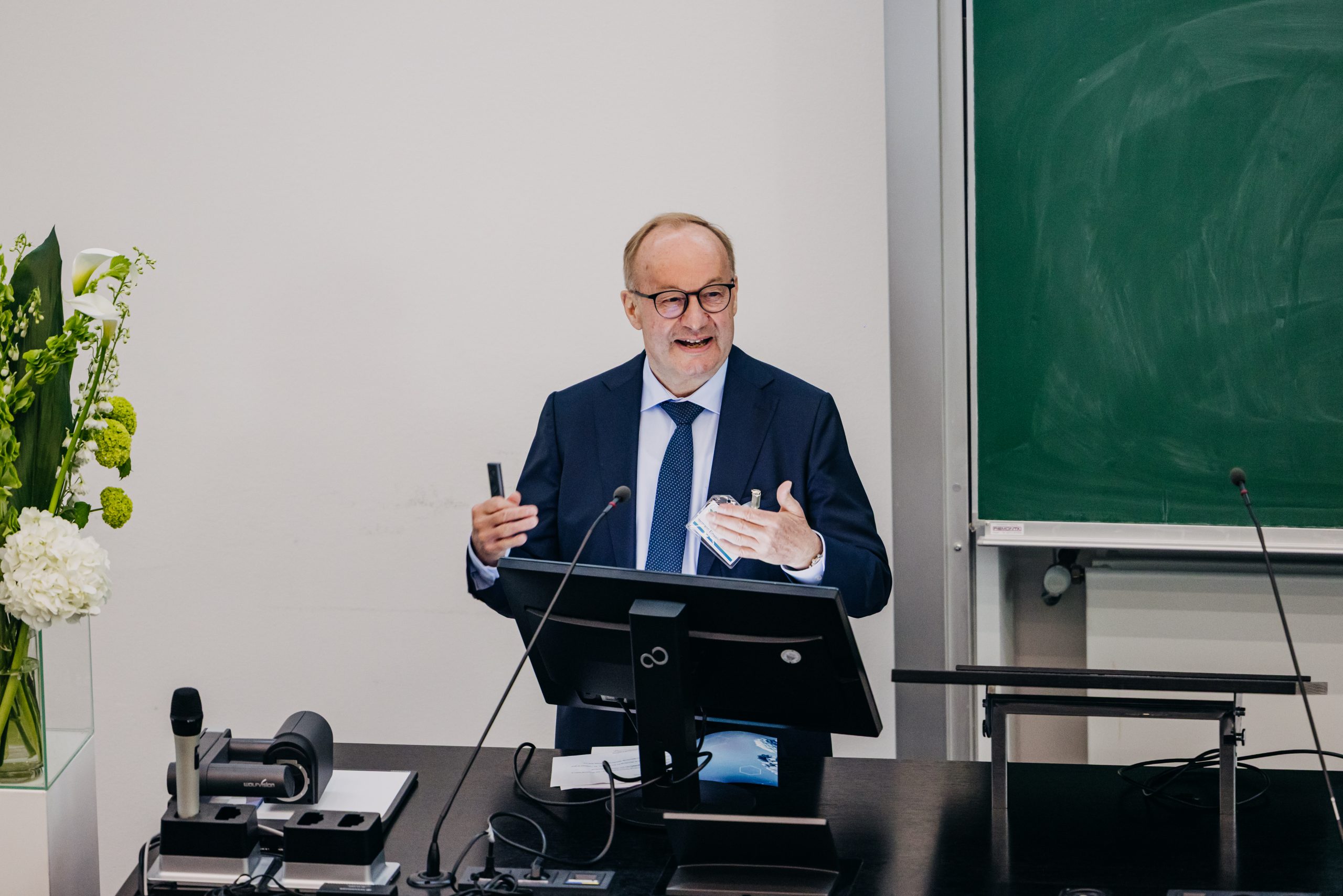
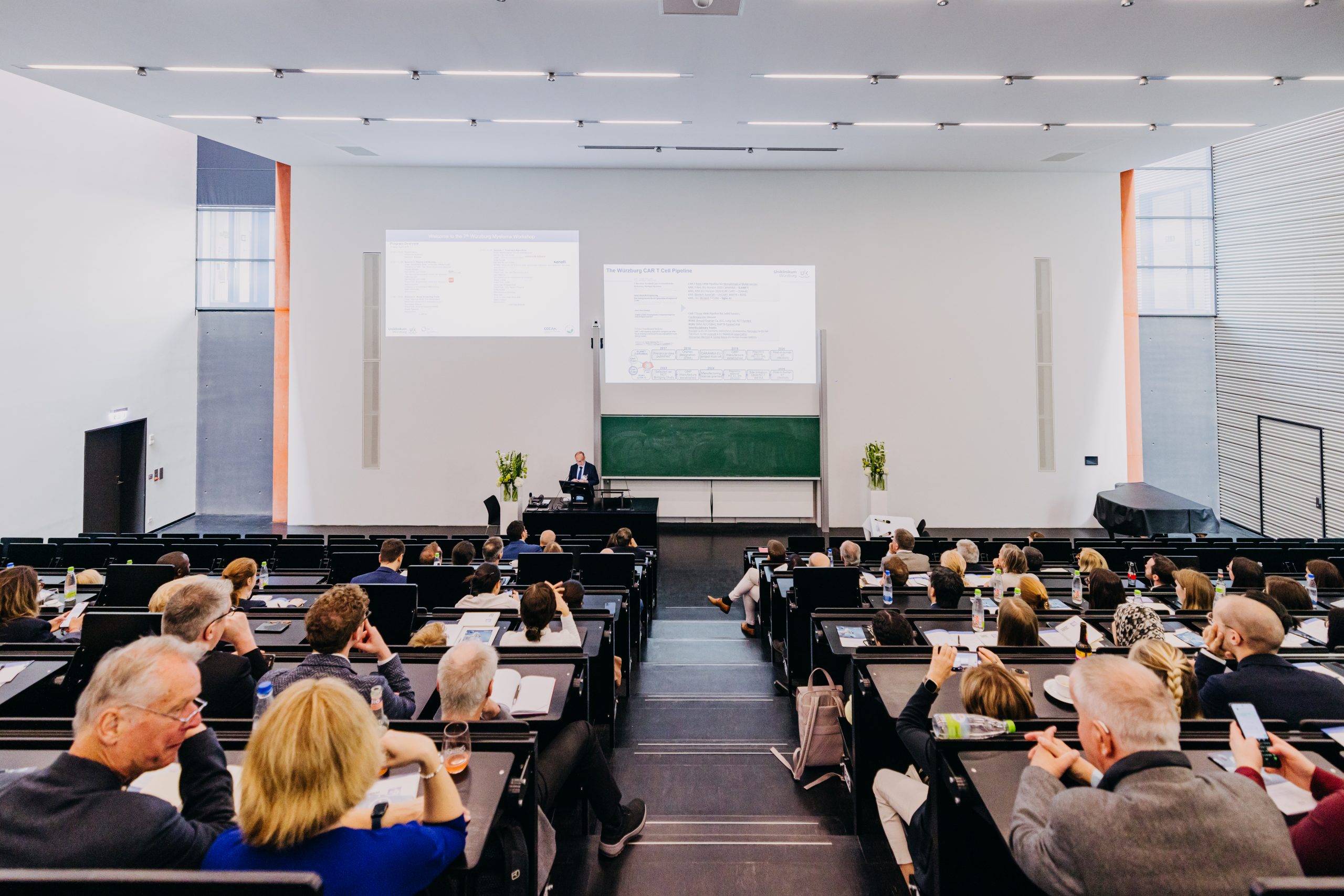
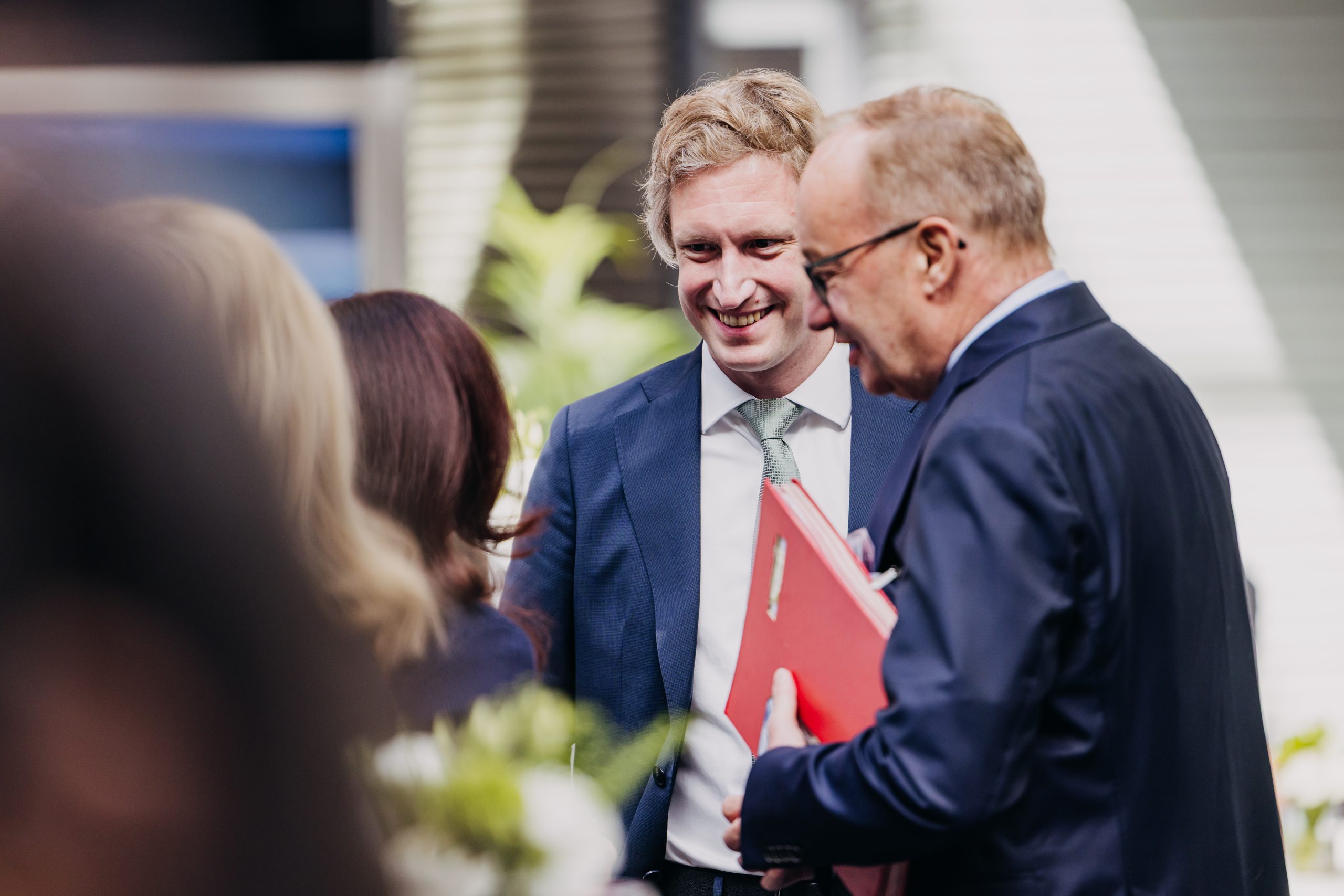
To mark our 50th anniversary, the Wilhelm Sander Foundation is supporting the 7th Würzburg Myeloma Workshop as a sponsoring partner. This important symposium serves as an international forum to bring together leading experts from around the world and discuss the latest breakthroughs in haematology at the highest level.
Under the scientific leadership of Professor Hermann Einsele and his team, the event offers an opportunity to present the latest advances in CAR-T cell therapies, bispecific antibodies and personalised treatment approaches. The focus is on direct dialogue between cutting-edge international research and clinical application. We look forward to two days full of groundbreaking insights and an intensive exchange of knowledge in Würzburg.
Highlights from the symposium
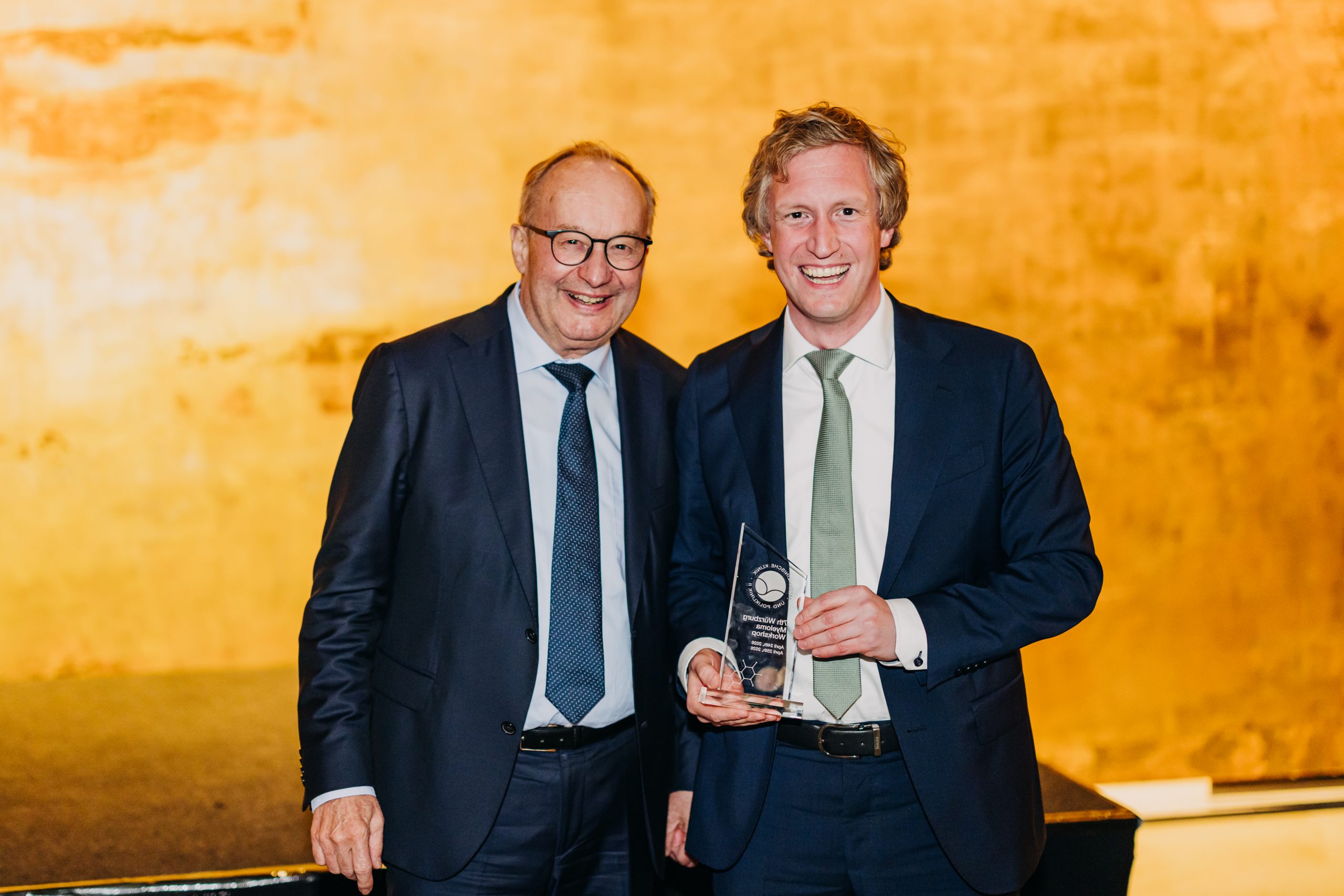
Cologne University Hospital, Prof. Dr Michael Hallek: a get-together between researchers and external funding bodies
Tumour microenvironment, CAR-T cells, dendritic cell platforms: oncology is experiencing a phase of scientific breakthroughs that have the potential to fundamentally transform the treatment of cancer. Modern research approaches shed light on how tumour cells interact with their environment – from the metabolic reprogramming of immune cells to the role of neural structures in tumour development. At the same time, new immunotherapies are revolutionising clinical practice and creating therapeutic possibilities where previously there were hardly any options. The aim of this translational research is to translate fundamental scientific findings directly into better diagnostic and treatment strategies for patients.
In the year marking its 50th anniversary, the Wilhelm Sander Foundation is organising a scientific symposium in collaboration with the University Hospital of Cologne. The University Hospital of Cologne ranks among the most important centres for oncological research in Germany – a long-standing and fruitful partnership that we are further strengthening with this symposium.
As part of this event, leading experts from Cologne, Bonn, London and Lausanne will present current research projects in the fields of the tumour microenvironment, immunotherapy and AI-supported cancer diagnostics. The symposium offers an opportunity to further deepen the intensive exchange of ideas between cutting-edge international research and clinical practice in Cologne.
Ludwig Maximilian University of Munich, Prof. Dr Jens Werner: Current Cancer Treatment
Cancer research is undergoing constant change, driven by innovative approaches in immunotherapy and precision diagnostics. Modern research approaches aim to understand the mechanisms underlying the development of resistance – for example, through tumour-associated inflammatory processes – and to open up new therapeutic windows. At the same time, technological breakthroughs in infrared diagnostics are enabling ever more precise early detection and monitoring of cancer. The aim of this translational research is to translate scientific findings directly into sustainable improvements in diagnosis, treatment and prevention.
Since its foundation in 1975, the Wilhelm Sander Foundation has supported excellent medical research and, during this time, has awarded over 350 million euros to around 2,500 projects. A particular focus is on collaboration with Ludwig Maximilian University of Munich (LMU) and LMU Medical Centre, where numerous high-calibre research projects are continuously funded.
To mark our 50th anniversary, we are delighted to be organising a scientific symposium in collaboration with the LMU Faculty of Medicine. As part of this event, leading experts will present current projects in the fields of T-cell therapy, thromboinflammation and innovative broadband infrared diagnostics. The symposium offers an opportunity to reflect on the achievements of our long-standing funding work and to further deepen the intensive exchange of ideas between research and clinical practice in Munich.
New treatment option for paediatric brain tumours
Medulloblastoma is one of the most common malignant brain tumours of the central nervous system in children and young people. Around 70 to 80 per cent of those affected can be cured using current treatments. However, many are left to live with severe long-term effects of the aggressive treatments. There is an urgent need for targeted therapies that attack only tumour vulnerabilities whilst sparing normal tissue. Researchers led by Daniel Merk from the Hertie Institute for Clinical Brain Research at Tübingen University Hospital have identified such a vulnerability in the genetic makeup of a subtype of medulloblastoma. The Wilhelm Sander Foundation supported the project with €111,000.

CDK4/6 inhibitors: New hope for the treatment of bowel cancer
Researchers at Würzburg University Hospital and LMU Munich have investigated the efficacy of CDK4/6 inhibitors in colorectal cancer – with promising results. The drugs, originally developed for breast cancer, effectively slow the growth of colorectal cancer cells, even in treatment-resistant tumours. The protein p16 is crucial to the success of the treatment: cancer cells with high p16 expression respond less well to the treatment. The protein could serve as a biomarker to identify patients who are likely to benefit most. The study, funded by the Wilhelm Sander Foundation, was published in *Cellular Oncology* and could pave the way for personalised treatment approaches.