


From StiftungSleben –a year marked by the anniversary
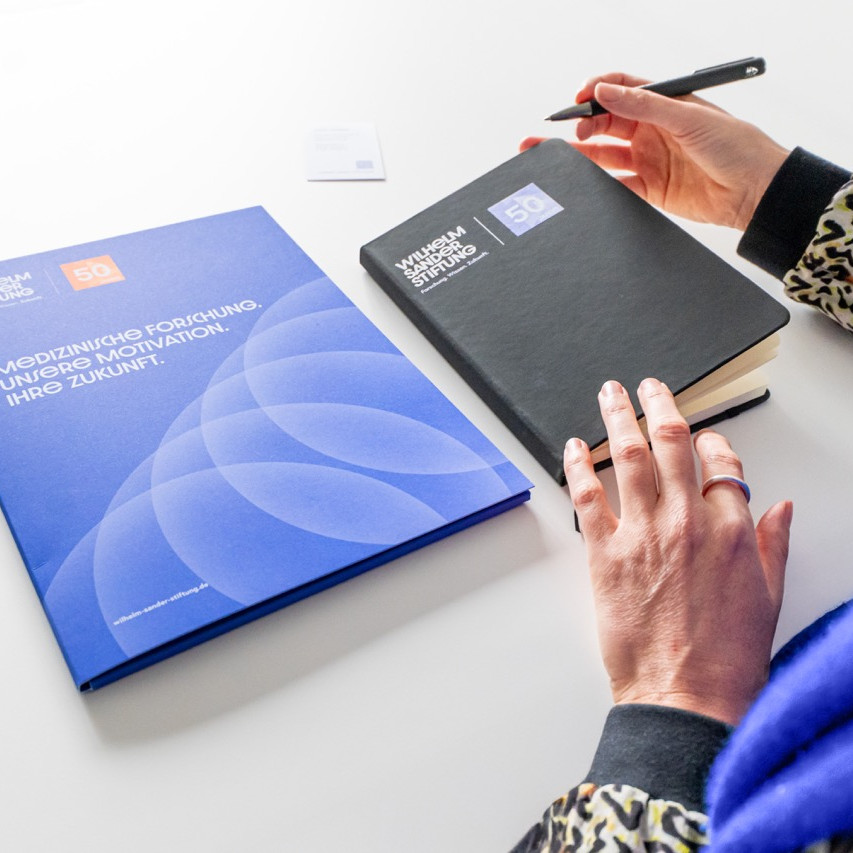
The starting point was October 13, 2025 – the day of the first Foundation Council meeting. Right on schedule for the 50th anniversary, a completely new website went live, accompanied by a refreshed visual identity that the foundation has carried both internally and externally ever since: business cards, letterhead, folders – all united under the new claim "Research. Knowledge. Future." What sounds like a simple self-description is, in truth, a promise: to science, to society, and to the next fifty years.
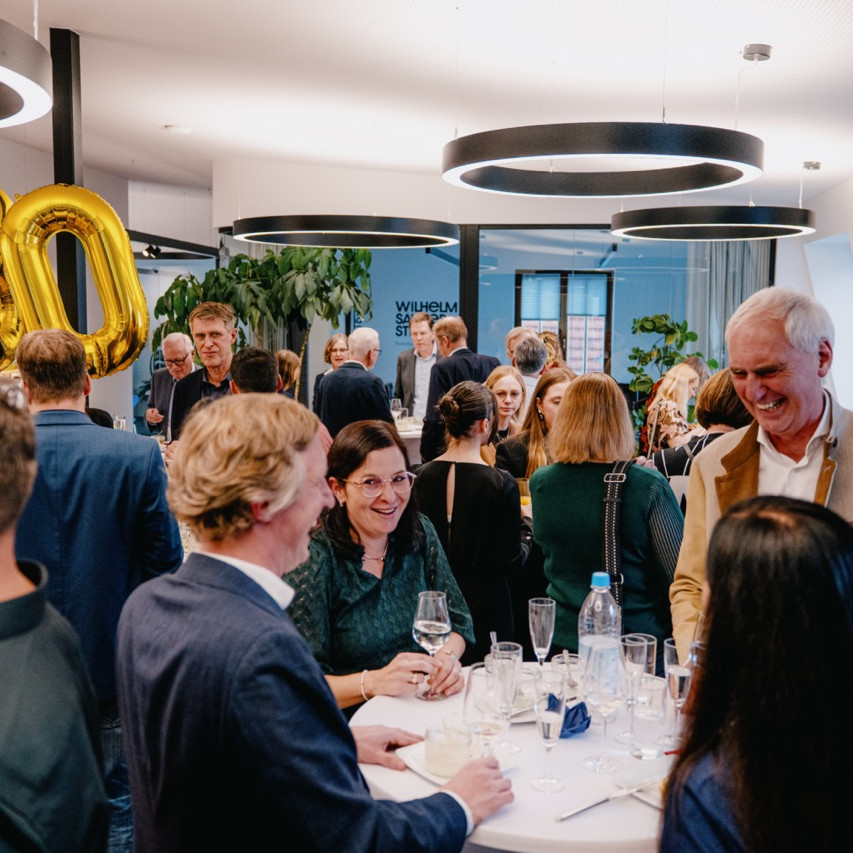
Moments like these offered a counterpoint to a year full of momentum and intensive work.
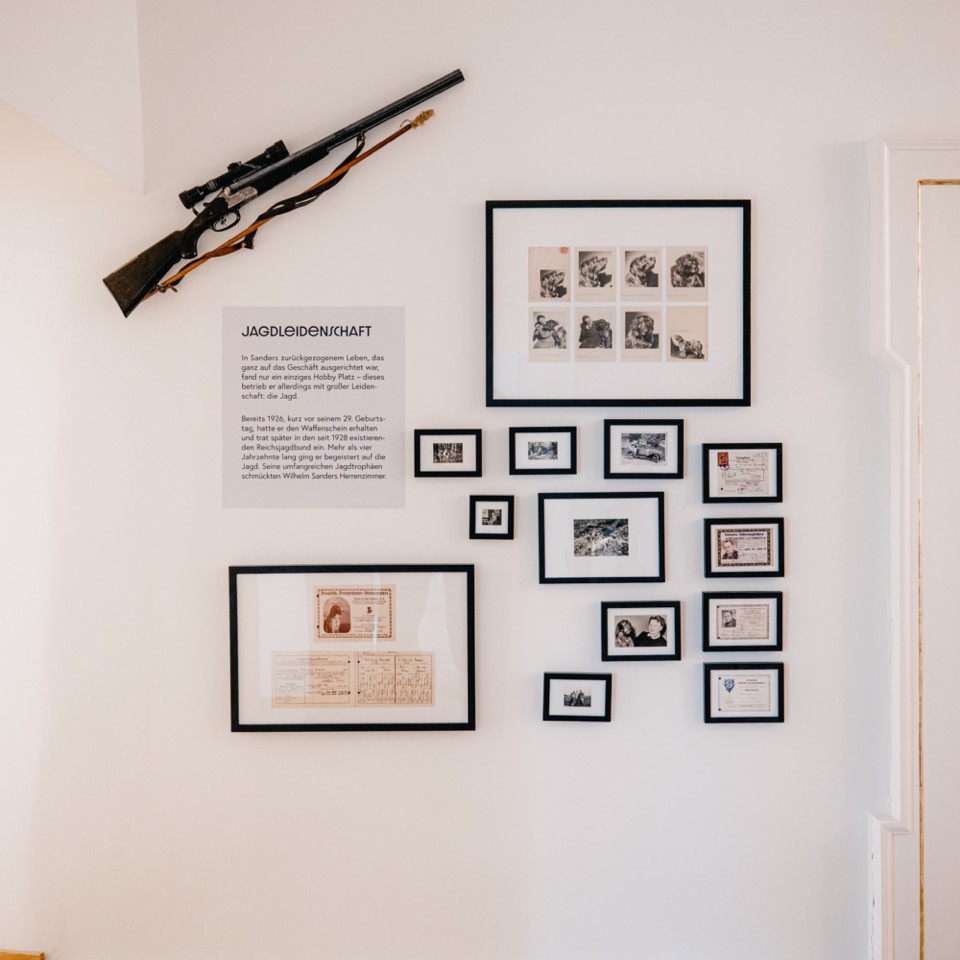
Meanwhile, at the Neustadt an der Donau site, the team moved into new office premises – and set up a small exhibition there on the history of the foundation and its founder, Wilhelm Sander. A piece of living remembrance culture, right in the midst of everyday work.
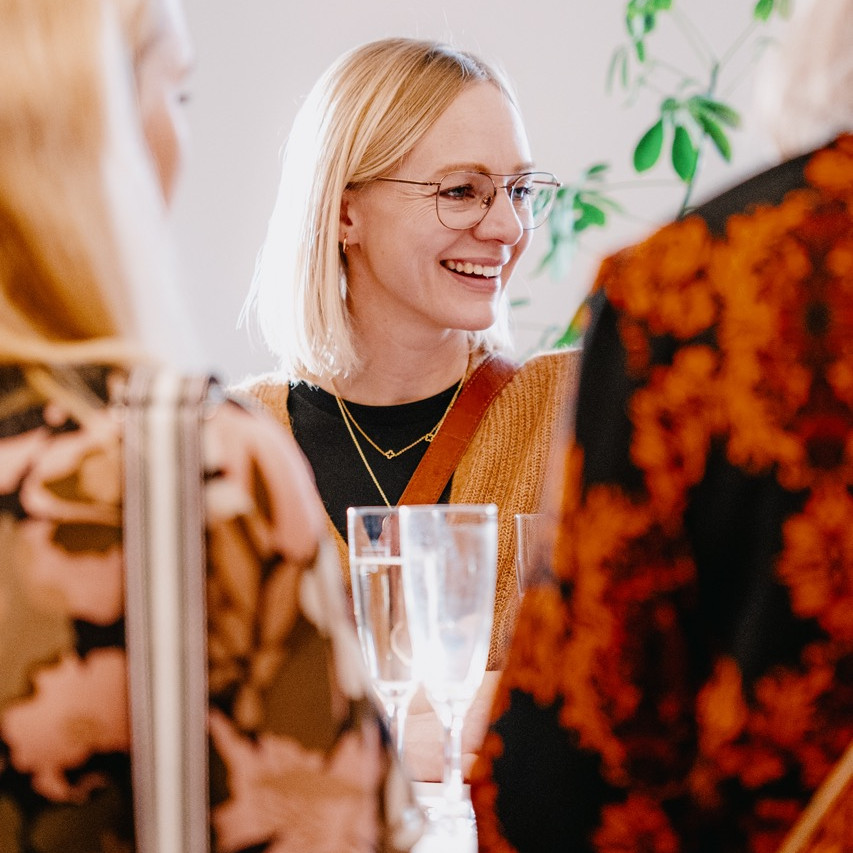
A short while later, the entire team came together – board and committee members along with staff from all three locations: Leverkusen, Neustadt an der Donau, and Munich. At the joint get-together, people who work together daily but rarely all find themselves in the same room at the same time finally met face to face. It turned into an evening that stretched well into the night.
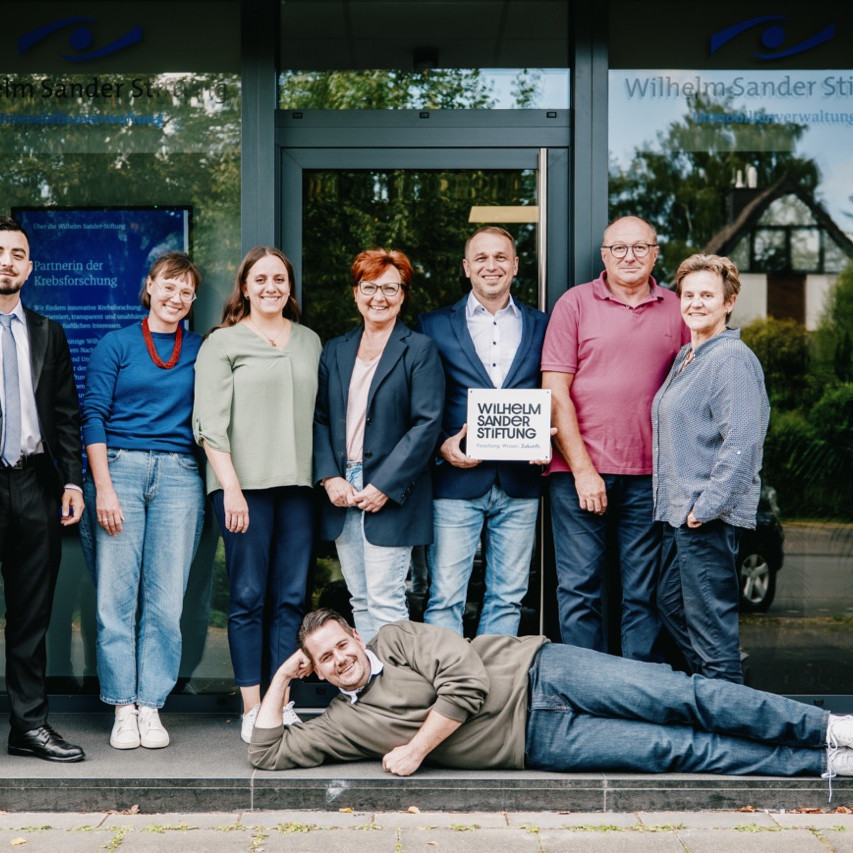
At our Leverkusen location, an extensive real estate workshop was held with Mr. Reichartz, Executive Board Member for Real Estate, during which the future of in-house property management was discussed. The directly held real estate holdings are the foundation's most important source of income.
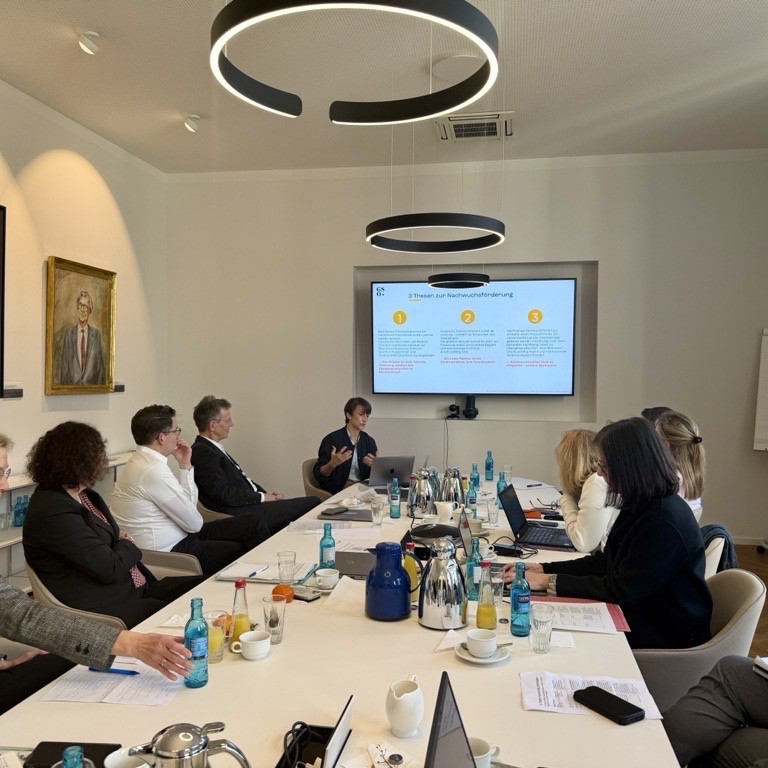
In Frankfurt, Maximilian Habersetzer sought exchange with colleagues from other funding organizations at the 16th Meeting of Medical Third-Party Funders at the Georg Speyer House – a regular gathering that is indispensable for the strategic further development of the foundation's own funding work.
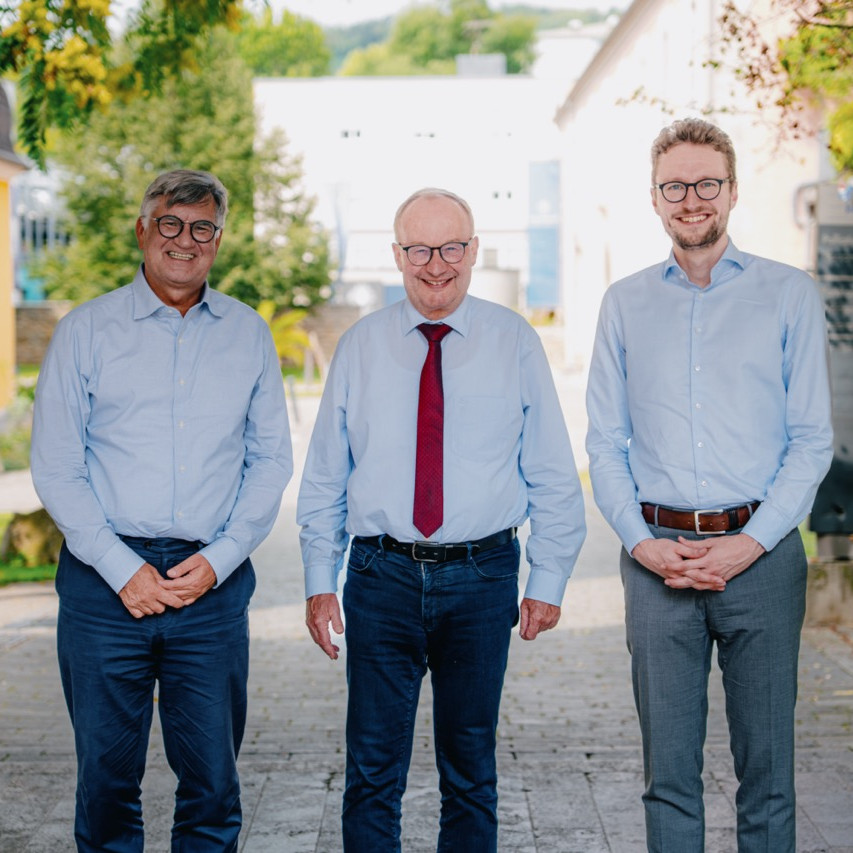
During this time, colleagues from the Wilhelm Sander Foundation were frequently on the road: in Würzburg, Chairman of the Executive Board Ernst G. Wittmann and Head of Grant Management Maximilian Habersetzer visited Advisory Board members Wolfgang Kastenmüller and Hermann Einsele.
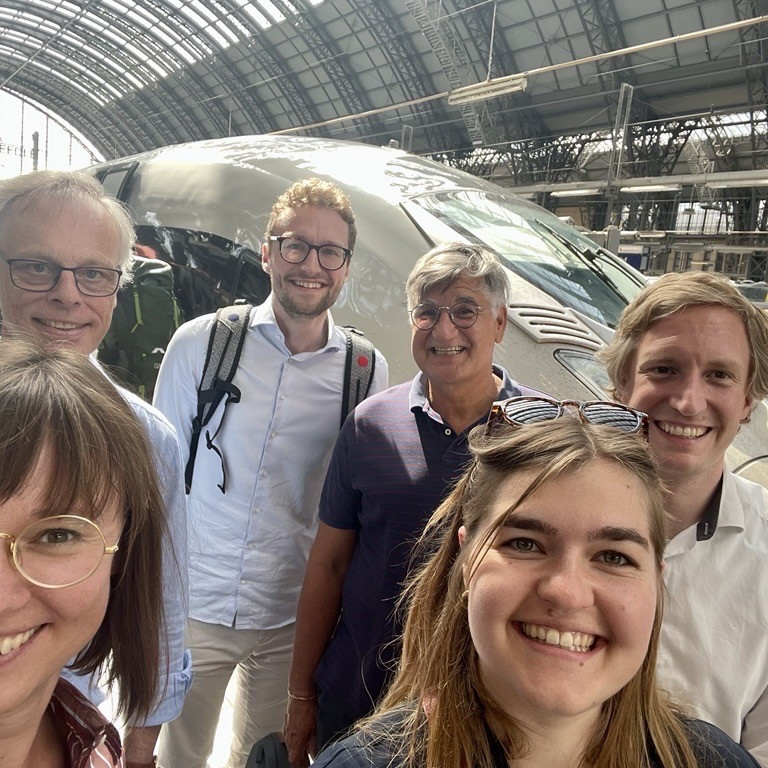
And in Bad Homburg, where a joint workshop with the Else Kröner-Fresenius Foundation put a question center stage that is moving the entire foundation landscape: What does artificial intelligence mean for science funding, public relations, and foundation management?
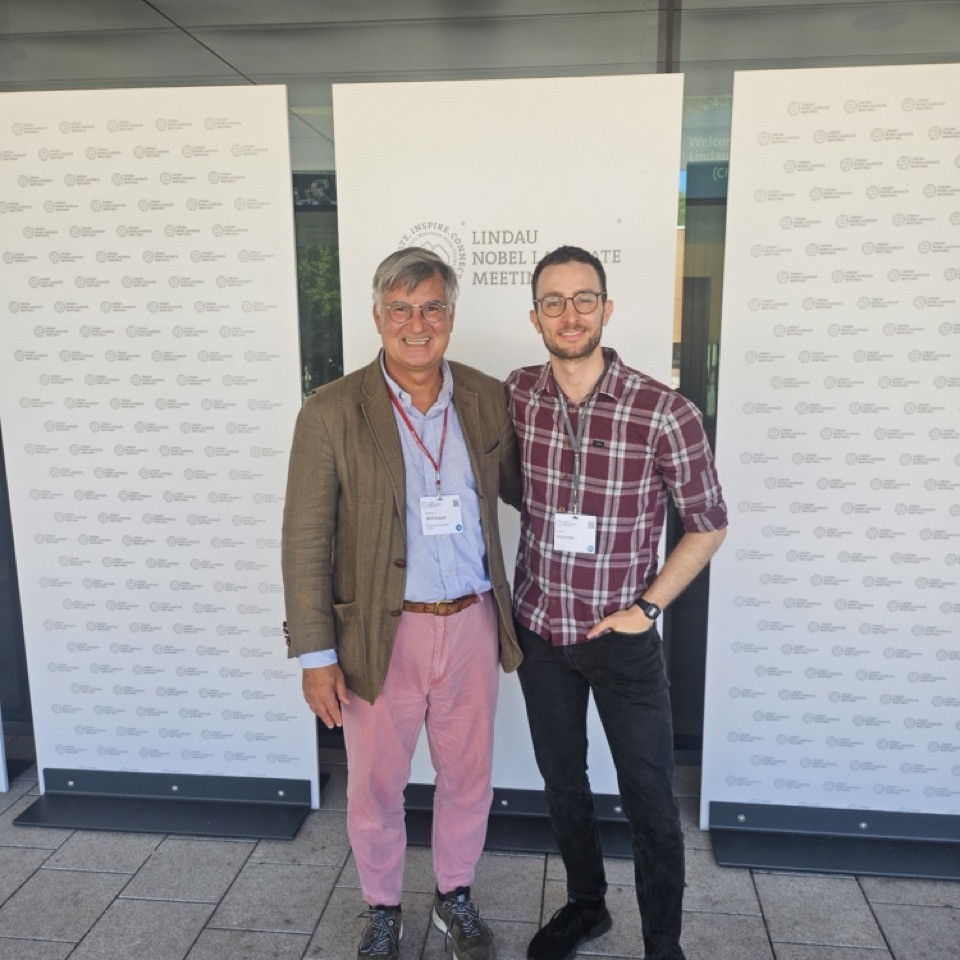
Keeping an eye on young talent is likewise at the core of our foundation's work. Luca Ferrarese, an early-career researcher funded by the Wilhelm Sander Foundation, took part in the Lindau Nobel Laureate Meeting – that unique forum where young researchers can engage in direct exchange with the leading figures of their field. Anyone who has witnessed how generations come into conversation there understands why this kind of support is more than just a duty fulfilled.
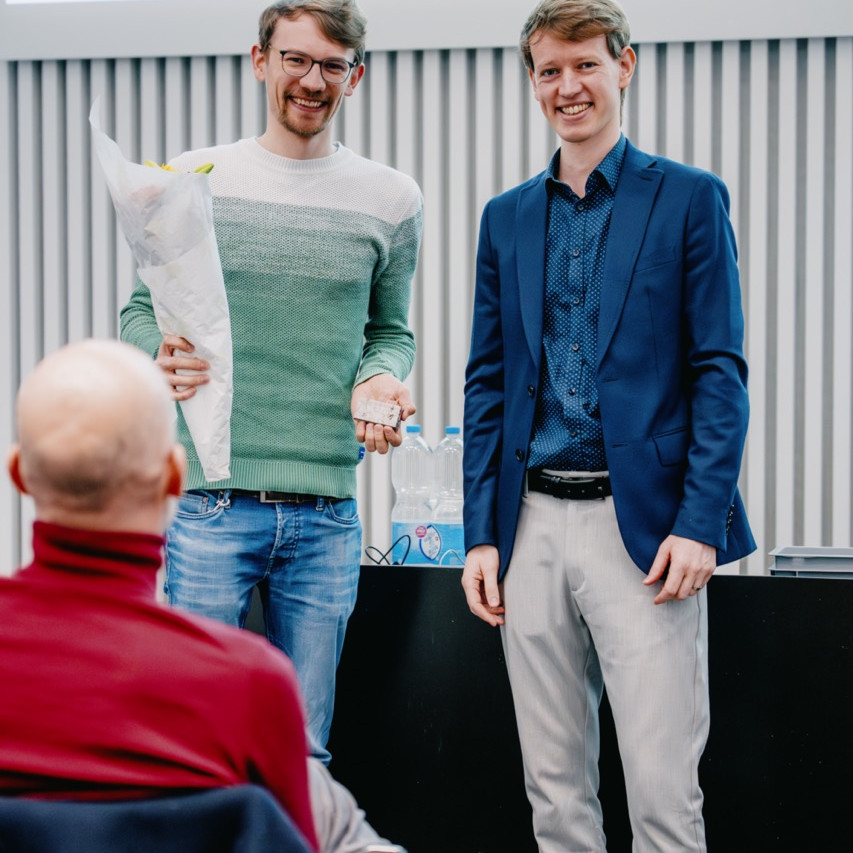
For the anniversary, the foundation also launched a new symposium series intended to show how important dialogue is in science. The series kicked off in February 2026 with an event at ETH Zurich on the topic of the tumor microenvironment, organized together with the SKINTEGRITY.CH consortium. The host was Sabine Werner, Deputy Chair of the Scientific Advisory Board, who put together an internationally staffed program with researchers from Cambridge, Strasbourg, Rehovot, and Oxford.

Shortly afterward, the 7th Würzburg Myeloma Workshop took place at Würzburg University Hospital – two intensive days of scientific exchange on multiple myeloma, ranging from new screening methods to innovative immunotherapies. The Wilhelm Sander Foundation supported the workshop as a funding partner.
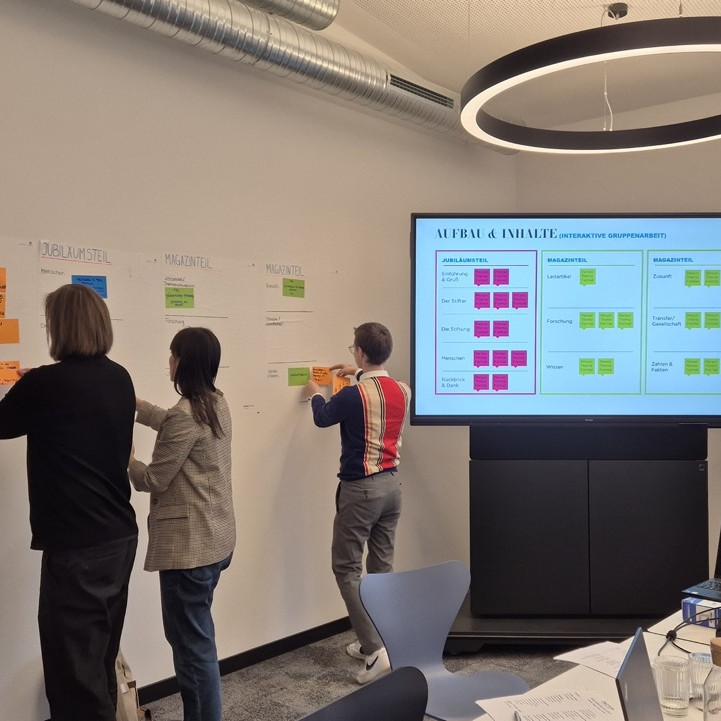
Between funding work, encounters, and anniversary moments, something new also emerged: the vision for a magazine that would make the foundation's stance and mission visible. The first foundation stone for WILHELM was laid in a joint workshop.

Another scientific symposium of the Wilhelm Sander Foundation took place at the LMU Munich University Hospital under the direction of Professor Jens Werner. Research projects from oncology, diagnostics, and therapy were presented – including a talk by Dr. Zigman (Max Planck Institute of Quantum Optics) on innovation in cancer diagnostics.
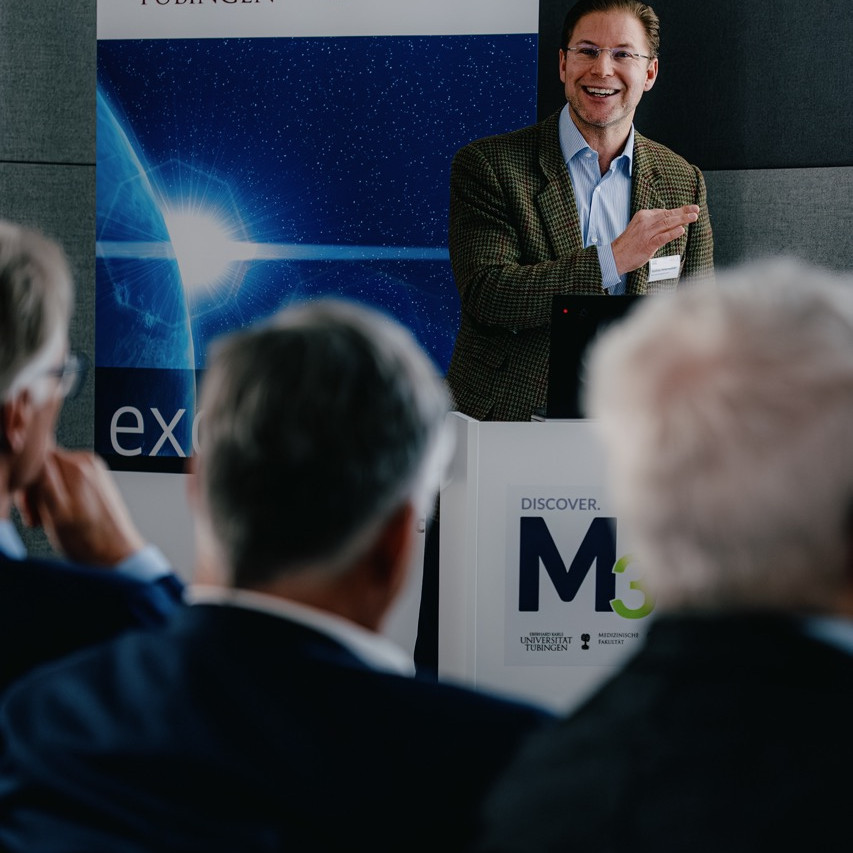
In April 2026, the foundation's team was fully represented at the joint symposium with the Faculty of Medicine of Eberhard Karls University Tübingen at the M3 Research Center. The program offered a broad insight into cancer research in Tübingen – from the iFIT Cluster of Excellence to lab tours in pediatrics, nuclear medicine, and neuro-oncology. A film and camera crew was also on site, capturing what fifty years of funding stand for.
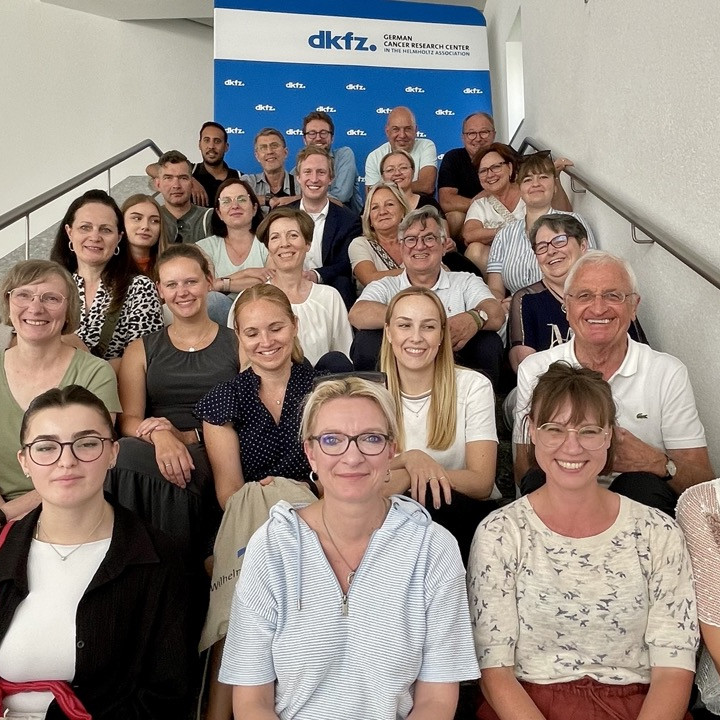
Also worth mentioning is the two-day workshop excursion to the German Cancer Research Center (DKFZ) in Heidelberg. Prof. Ralf Bartenschlager, a member of the Scientific Advisory Board, guided the team through the DKFZ – an institution that has been connected to the foundation since its earliest years. Nobel laureate Harald zur Hausen already accompanied the foundation during its founding years, from 1976 to 1979, as a member of the Scientific Advisory Board, before going on to lead the DKFZ as Chairman of the Executive Board. Some connections, it seems, last half a century.