
This funding has opened up opportunities that would otherwise have remained closed
Four researchers, four projects, three questions and three answers: Sonia Tugues Solsona, Helmut Salih, Juliane Walz and Robert Zeiser have been or are currently being funded by the Wilhelm Sander Foundation – and look back on their work, their findings and the question of what foundation funding actually means in day-to-day research.

The funding has opened up opportunities that would otherwise have remained closed
Four researchers, four projects, three questions and three answers: Sonia Tugues Solsona, Helmut Salih, Juliane Walz and Robert Zeiser have received or are receiving funding from the Wilhelm Sander Foundation – and look back on their work, their findings and the question of what foundation funding actually means in day-to-day research.


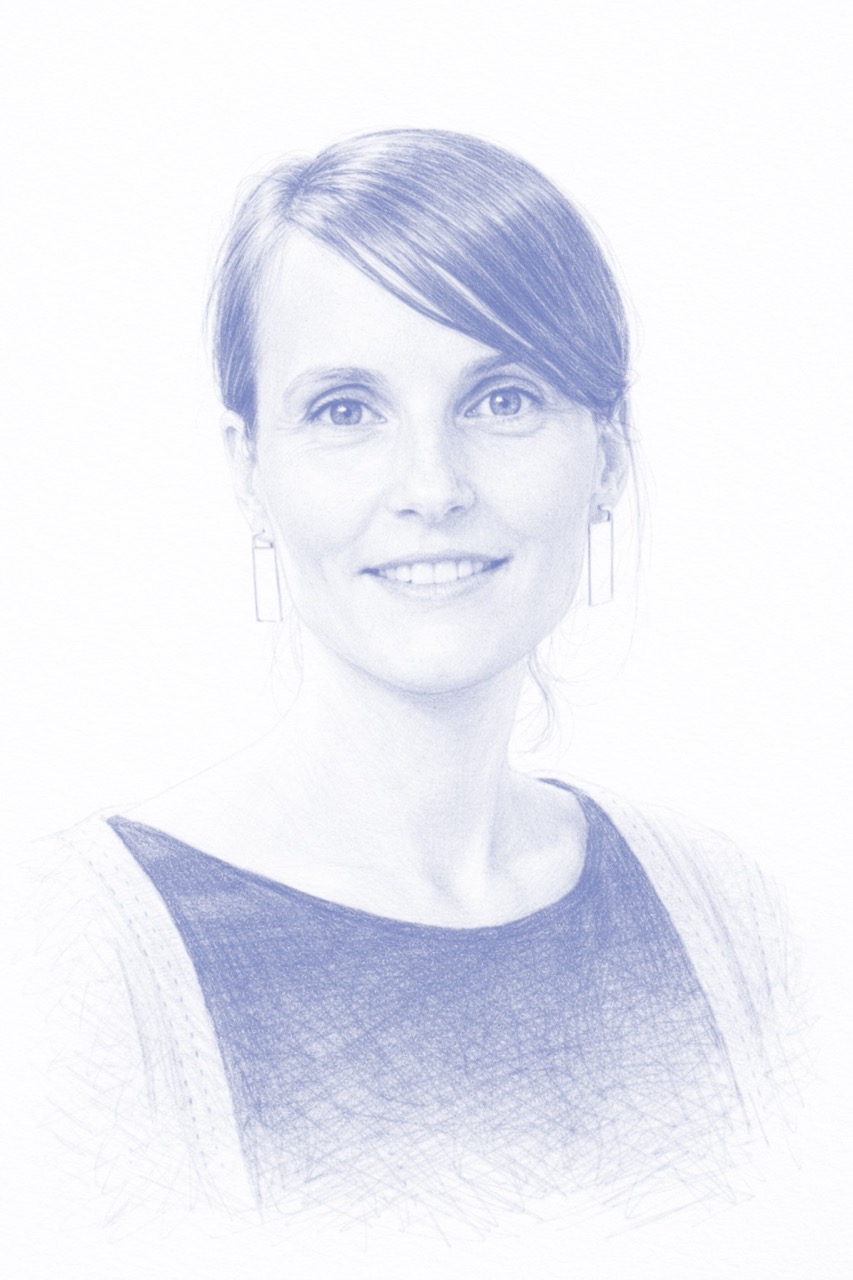
Sonia Tugues Solsona

Helmut Salih
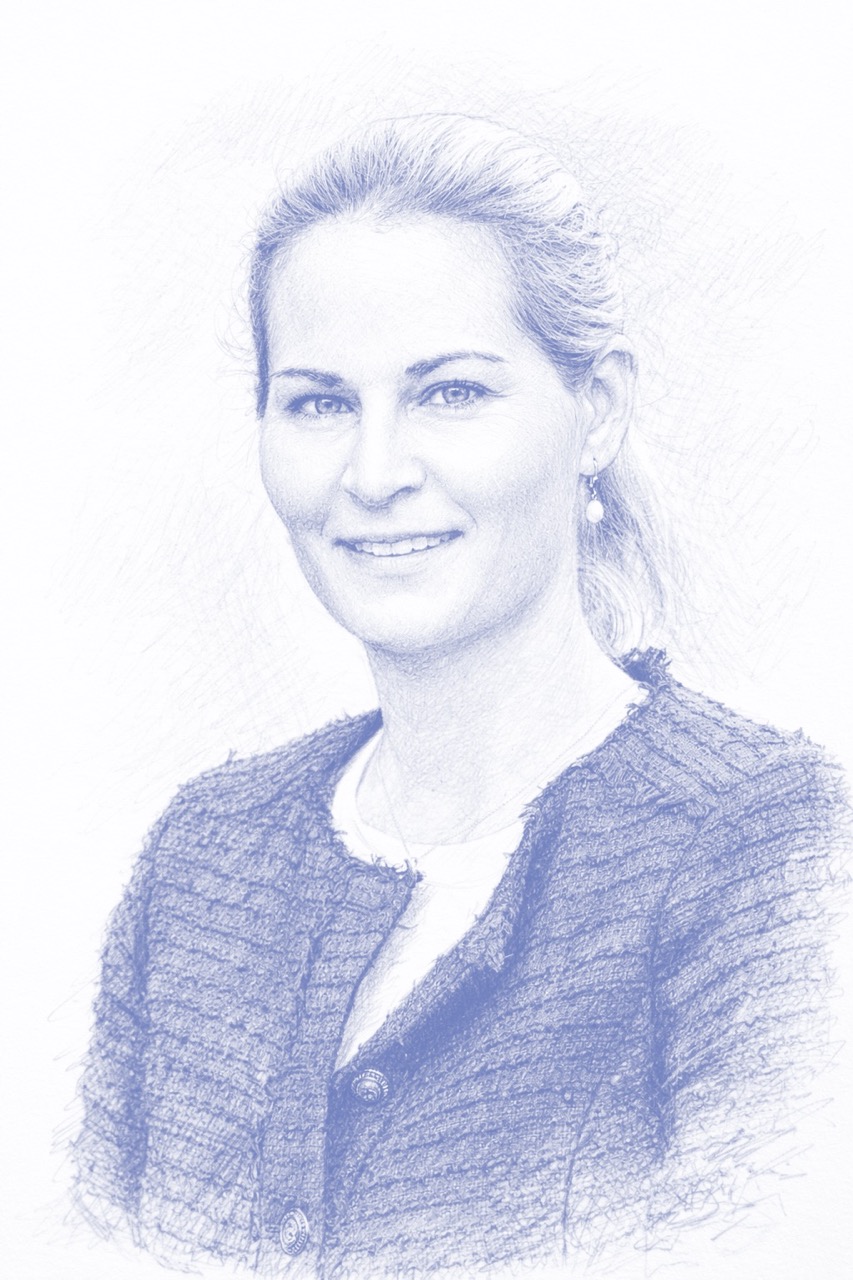
Juliane Walz

Robert Zeiser
What scientific problem does your project address, and why is it worth tackling it specifically here?
Our project focuses on bowel cancer that has spread to the liver – a common and often fatal stage of the disease. Surgery is the only possible cure, but most patients are initially ineligible for it because the tumours are too large or have spread too far. Chemotherapy is intended to shrink the metastases, but responses to it vary greatly – and the reasons for this remain largely unclear. By studying immune cells, particularly T-cells, within the metastases, we aim to identify patterns that predict response to treatment and uncover new targets for improved therapies.

Our project focuses on the treatment of acute myeloid leukaemia (AML), a particularly aggressive form of blood cancer with a poor prognosis. We are developing modified immunocytokines with a target-cell-restricted effect. The core problem with previous immunotherapies using interleukin-15 (IL-15) is their non-specific action: they cause severe side effects and prevent the use of sufficiently high, effective doses. Our newly developed approach addresses precisely this issue: It enables the targeted activation of the immune system directly at the cancer cell – and could, for the first time, harness the potent effect of IL-15 without placing a systemic burden on the body.
My research focuses on the question of which structures on tumour cells are actually visible to the immune system and can be specifically targeted for immunotherapies. My work on immunopeptidome analysis has led to the establishment of a globally unique HLApeptide database, which enables the rapid and cost-effective development of personalised cancer vaccines. The project, funded by the Wilhelm Sander Foundation, aimed to characterise the immunopeptidome of chronic myeloid leukaemia (CML) as the basis for peptide-based immunotherapy concepts – an approach with few side effects for inducing targeted T-cell responses against leukaemia cells.

Funding from the Wilhelm Sander Foundation has played a vital role in financing and advancing our preclinical work on GVHD – fundamental research that ultimately paved the way for clinical application and, eventually,
regulatory approval.
What insights or progress have emerged so far?
Using patient samples with colorectal liver metastases, we have mapped the T-cell populations that help determine the response to neoadjuvant therapy. We are now extending these studies to further patient groups and utilising machine learning to improve the prediction of individual response to treatment. We have also identified new potential targets for immunotherapy, which we are currently testing in combination with chemotherapy to make the treatments more effective.
To date, a novel immunocytokine (MIC molecule) has been developed and successfully tested in laboratory and animal models. The preclinical results show a significantly stronger and more targeted activation of immune cells against leukaemia cells, whilst side effects have been drastically reduced. In animal models, the treatment led to prolonged survival without any signs of toxicity – a milestone that lays the foundation for the forthcoming clinical trials in humans.
Working closely with colleagues at the University Hospitals of Aachen and Leipzig, we succeeded in identifying new, highly prevalent antigens specific to leukaemia. In both healthy donors and CML
patients, multifunctional and cytotoxic T-cell responses against these antigens were detected. Interestingly, patients undergoing tyrosine kinase inhibitor therapy showed an attenuated CD8+ T-cell response – a finding with direct implications for the combinability of therapies. In a subsequent funding period, the antigen landscape of additional myeloproliferative disorders was systematically investigated.
Our work has led to the development of new treatments for GVHD, which, following successful clinical trials, have been granted marketing authorisation – a step that is rare in academic research but all the more significant for it.
How has the funding from the Wilhelm Sander Foundation helped to advance or secure this project?
Funding from the Wilhelm Sander Foundation was crucial to this project. It made it possible to fund a PhD student who was able to devote herself entirely to this work, and provided the necessary resources and consumables for the experimental work. We are very grateful for the Foundation’s ongoing support, which has contributed significantly to the progress of the project.
The Wilhelm Sander Foundation has funded the project over six years with a total of 528,000 euros. This long-term support was crucial in enabling and ensuring the development of the innovative immunocytokine from conception through to successful pre-clinical validation – a research pathway that cannot be accommodated within short project cycles.
This funding has, for the first time, made it possible to systematically characterise the antigen landscape of CML and other myeloproliferative disorders, and to identify new target structures for immunotherapies. Furthermore, it has enabled two young researchers to embark on translational research as part of their PhDs – both now lead their own early-career research groups and have successfully secured external funding.
Our work has led to new treatments for GVHD, which, following successful clinical trials, have been granted marketing authorisation – a step that is rare in academic research, but all the more significant for it.