
Research 2075
AUTHORS: Dr Martina Lutz & PD Dr Laura Hinze

Research 2075
AUTHORS Dr Martina Lutz &
PD Dr Laura Hinze


What will cancer treatment look like in 2075? Will tumour diseases be precisely controllable by then, or will cancer remain an adversary that constantly reinvents itself? For two young cancer researchers, this future isn’t just five decades away. It’s already taking shape today in the laboratory, amongst cell cultures, microscopes and large datasets.
Dr Martina Lutz is developing therapeutic antibodies at Tübingen University Hospital that are designed to specifically target tumour cells. PD Dr Laura Hinze is investigating at Hannover Medical School (MHH) how cancer cells alter their metabolism in order to survive treatment.
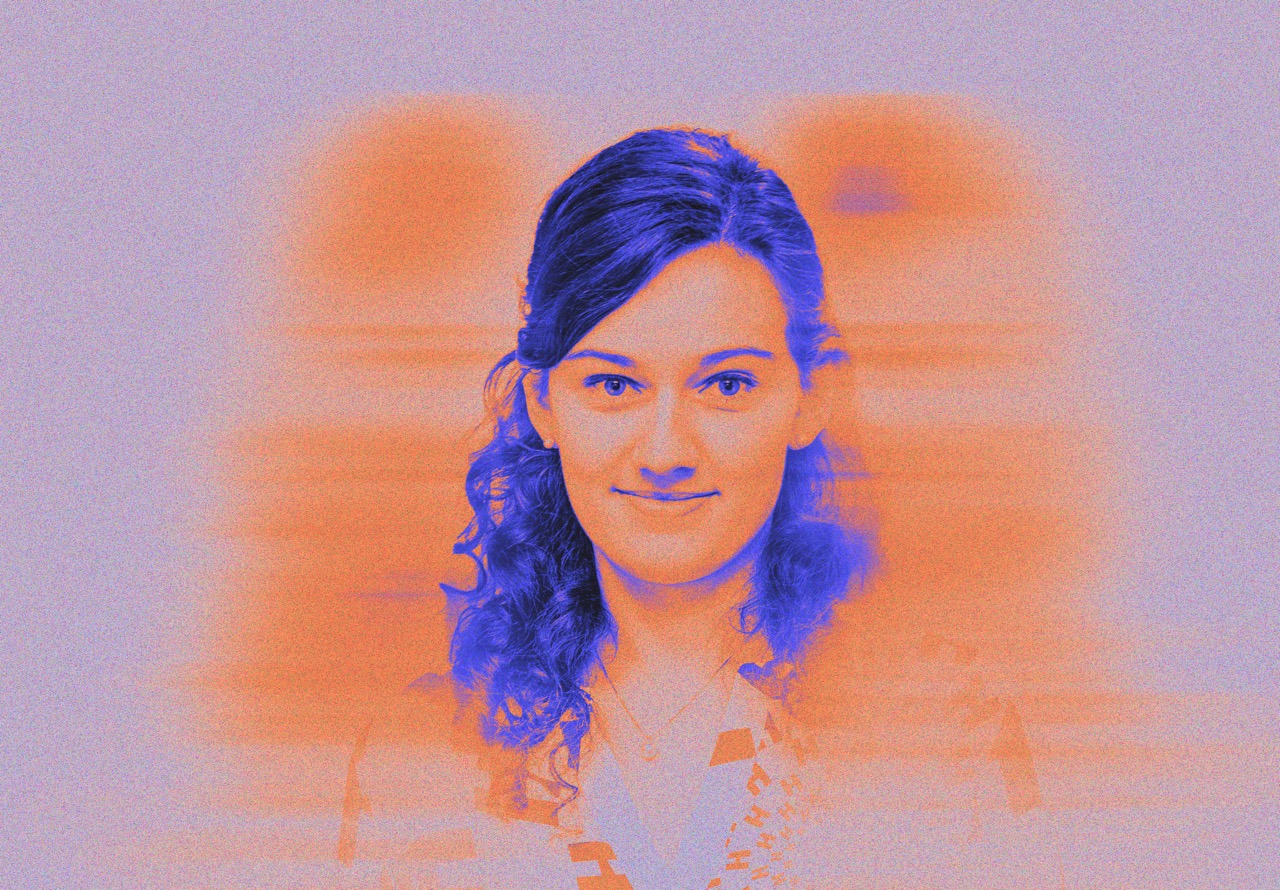
Dr Martina Lutz – More precise weapons against tumours
For Martina Lutz, the future of cancer medicine revolves around one key concept: precision. Many modern therapies already target the molecular processes of tumour cells. In the coming decades, this trend is likely to intensify further, particularly in the field of therapeutic antibodies. These molecules recognise specific structures on cancer cells and either activate the immune system or attack tumours directly. “In 50 years’ time, the treatment of cancer could be significantly more precise,” says Lutz. “In the field of innovative therapeutic antibodies, I expect them not only to be more effective but also to be better tolerated.” With every new substance, the number of possible combinations also grows. Therapies can thus be increasingly tailored to the characteristics of a tumour – an approach that is becoming ever more important in oncology. The basic principle is likely to remain surprisingly the same: we will continue to try to stay one step ahead of the tumour. Cancer cells are not static targets. They evade treatment and adapt. This interplay between therapy and resistance will continue to shape oncology in 50 years’ time.
A second area of progress is emerging in diagnostics. New functional imaging techniques are already providing insights into biological processes within the body. In future, they could indicate much earlier whether an immunotherapy is actually triggering a response.
“Such approaches could reveal at an early stage whether an effective immune response is taking place, thereby helping to predict treatment response or adapt treatments,” explains Lutz. She expects data-driven methods to significantly accelerate the development of new antibodies in particular: “AI will make the screening, design and functional optimisation of antibodies considerably easier and faster.”
At the same time, experimental models are being developed that replicate human tissue with increasing realism. Organoids or so-called ‘organ-on-a-chip’ systems make it possible to study disease processes outside the body: “Such models could also help to reduce the need for animal testing.”
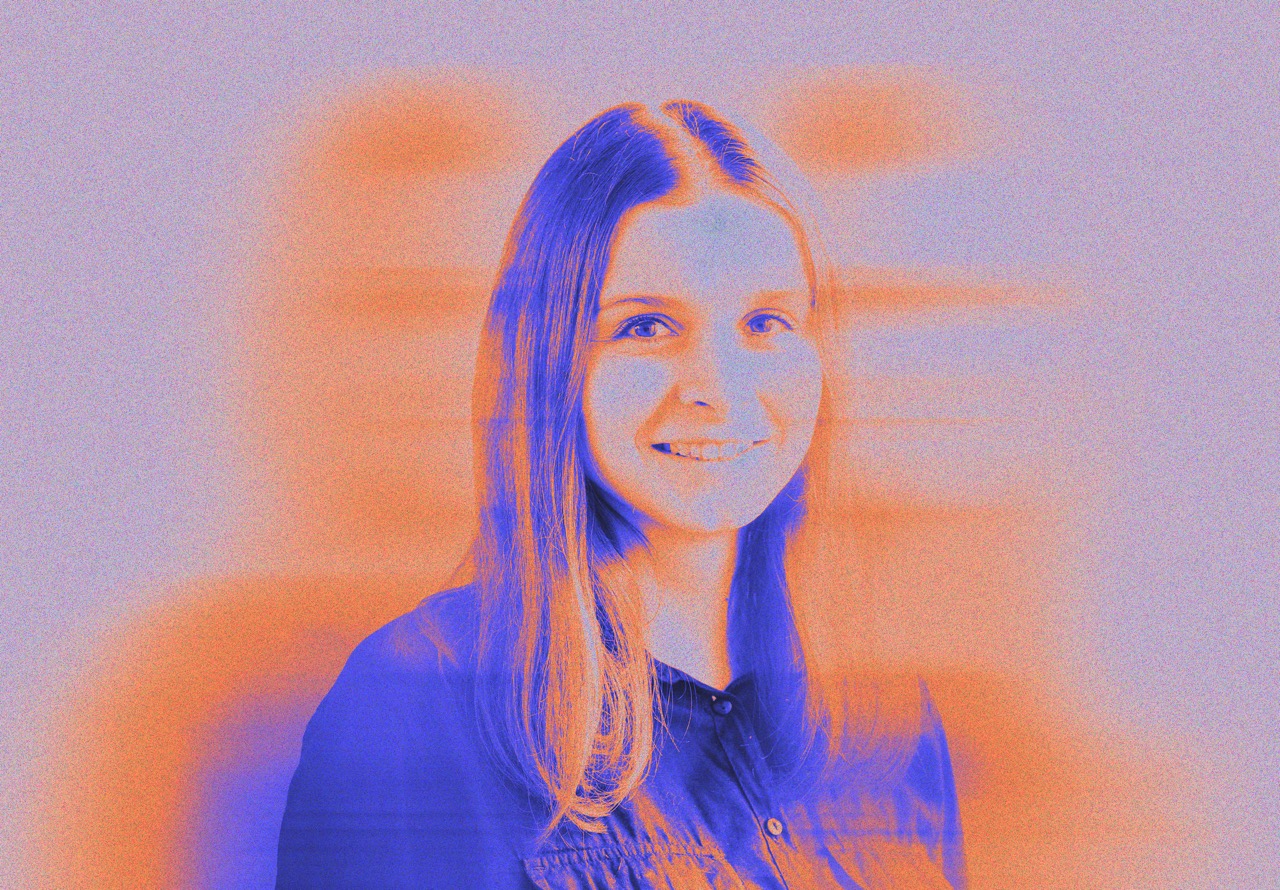
PD Dr Laura Hinze – The survival strategies of cancer cells
Laura Hinze, on the other hand, focuses more closely on the cancer itself. Cancer cells possess a characteristic that makes treating them particularly difficult: they adapt. Tumours alter their metabolism, respond to stress and reorganise their cellular processes as soon as they come under therapeutic pressure. “One of the most fascinating – and at the same time most frustrating – characteristics of cancer cells is their enormous adaptability,” says Hinze.
It is precisely these adaptation strategies that are at the heart of her research. Part of her work investigates how tumour cells react when deprived of certain nutrients and what role the targeted breakdown of proteins plays in this process. The aim is to gain a better understanding of the mechanisms by which cancer cells survive treatment. According to Hinze, this knowledge will, in the long term, open up new targets for treatment: “I believe that in future we will be able to intervene in such mechanisms in a much more targeted way. Therapies could then not only block individual genes or signalling pathways, but also disrupt entire survival programmes of tumour cells.”
What is meant here are complex systems – such as metabolic networks or stress responses – that help cancer cells survive adverse conditions. New technologies are providing ever more detailed insights into this. High-resolution single-cell analyses and experimental models of the tumour microenvironment are already showing just how differently individual cancer cells function within a tumour. In future, we will not only be able to describe tumours, but also be able to understand their response to treatment in unprecedented detail, explains Hinze: “In future, we could observe how tumours change during treatment and what adaptation strategies individual cells develop.”
What will shape the future of medicine
The two researchers are investigating different aspects of the same problem, yet their perspectives converge on one point: Progress does not arise solely from new technologies. The conditions under which research takes place are just as crucial. For Martina Lutz, this discussion begins as early as the development of new therapies. Innovative approaches must not only be effective, but also manufacturable, affordable and logistically feasible. Modern immunotherapies in particular demonstrate just how challenging this balance is. According to Lutz, the key is to strike the right balance between breadth and precision: “It will be important to strike a balance between ‘off-the-shelf’ medicines, which can help many people quickly, and personalised approaches, which are highly precise, but are often more complex.” Laura Hinze draws greater attention to the fundamentals of research. Many therapeutic breakthroughs stem from discoveries that originally arose out of pure curiosity. Hinze emphasises that the real course is therefore already being set today through research funding: “Perhaps the most important decision concerns a very simple question: do we have the courage to invest in translational basic research in the long term?”
It is precisely seemingly fundamental questions – such as how cells cope with nutrient deprivation or react to stress – that have repeatedly proved decisive in cancer research for understanding resistance to treatment. Without this long-term commitment, as becomes clear from both perspectives, technological advances remain piecemeal.
One thing remains constant
However much technologies, methods and therapies may change, one thing remains constant: biology is complex, and scientific progress rarely follows a straight path.
“Even in a highly technologised field of medicine, research will continue to be driven by curiosity, observation and, sometimes, unexpected discoveries,” says Hinze. Medicine in the year 2075 will therefore probably begin just as it does today: with a simple question in the laboratory: Why does a cell behave in exactly this way – and not differently?